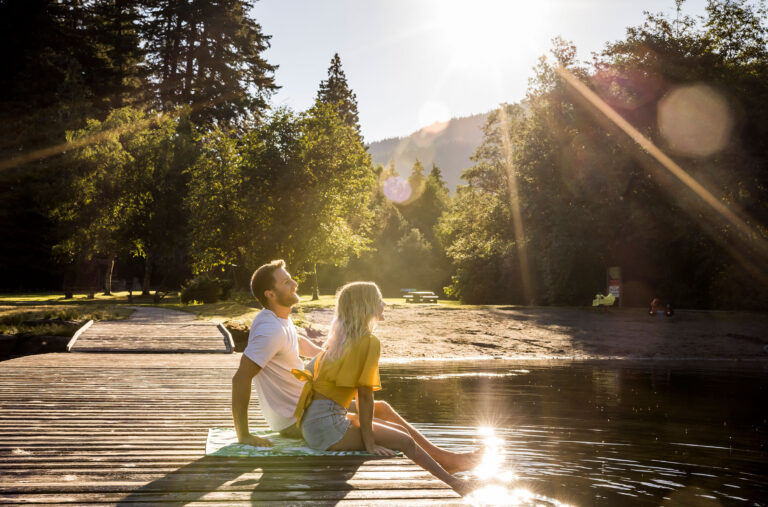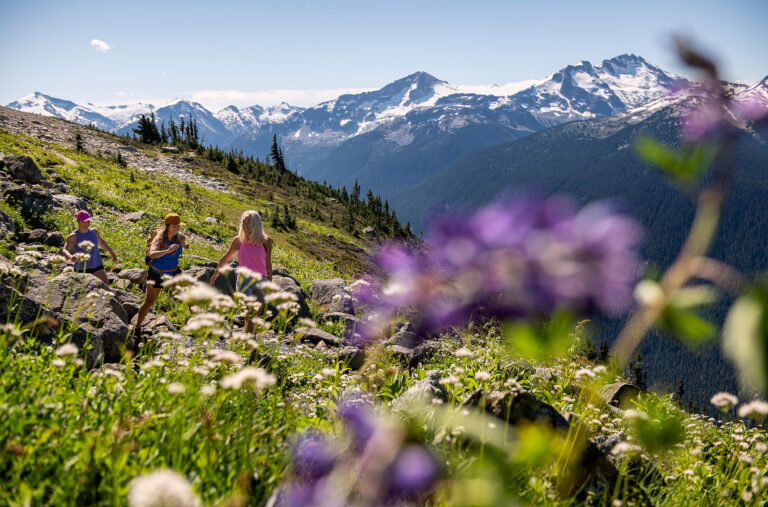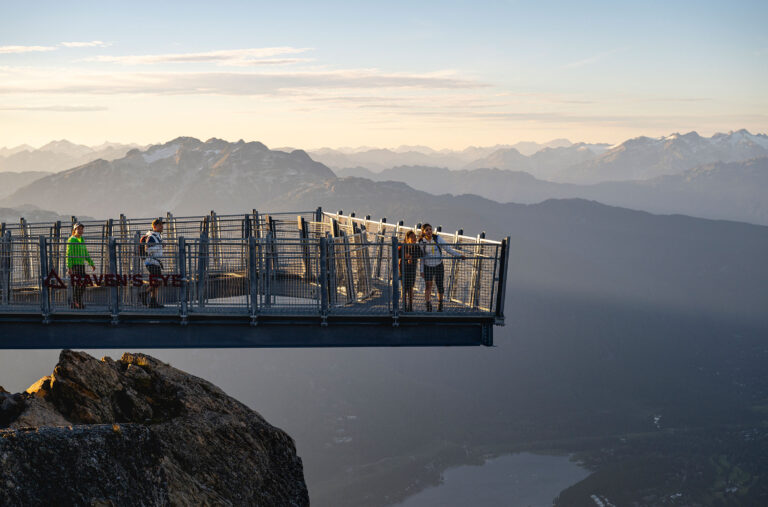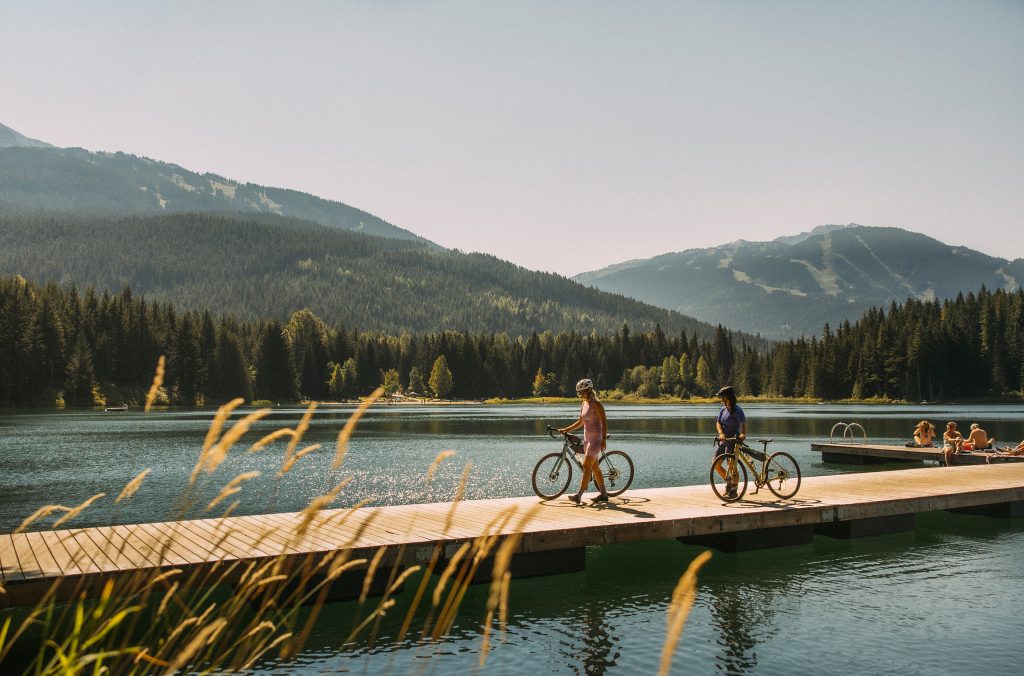
Whether it’s the thrill of a scenic climb, high adrenaline drops, or a ride to the peak followed by a round of golf or a jump in the lake followed by an outdoor concert, the mountains around Whistler offer abundant and awe-inspiring ways to adventure. This is the place where summer goes big.
From when to visit to what to book ahead, here’s what you need to know before you go so you can make the most of your summertime in the mountains.
When to Visit Whistler in the Summer
Summer in Whistler stretches from mid-June through September, with each month offering something a little different:
- June: Quieter, with wildflowers starting to bloom and lingering snow in the alpine, temps are mild and fresh (average high 20°C / 68°F, low 9°C / 48°F).
- July and August: Peak season with warm weather (average high 24°C / 75°F, low 11°C / 52°F), vibrant lakes and the widest range of activities
- September: Fewer crowds, cooler mornings (average high 19°C / 66°F, low 7°C / 45°F) and golden early fall colours
Check out our When to Visit Whistler in the Summer blog for a more detailed month-by-month guide.
Visit Midweek
Weekends and holidays are busy, especially at lakes, parks and on popular trails. Visiting midweek means fewer people, shorter waits and a more relaxed pace.
Book Ahead for Peak Summer
Whistler is popular in summer, especially on weekends and holidays. Booking a few key things in advance will make your trip smoother:
- Accommodation (especially July and August weekends)
- Popular restaurants for dinner (check out our dining guide)
- Must-do activities (like bear viewing, ziplining, rafting, etc.)
- PEAK 2 PEAK Gondola/sightseeing tickets
- Whistler Mountain Bike Park tickets
- Bike rentals
- BC Parks day-use passes (if visiting Garibaldi Park areas)
We want you to have the best time, not a stressed time, and most places have flexible cancellation policies, so if your plans do change, then they’re easy to adjust.
How to Get to Whistler
Whistler is a two-hour drive from Vancouver International Airport. The journey up the Sea to Sky Highway is filled with stunning viewpoints over glaciers, ocean and waterfalls. You don’t need a car in Whistler, so many visitors choose to take a shuttle from Vancouver or the airport and explore car-free once they arrive.
Getting Around Whistler – Why You Don’t Need a Car
Parking at hotels and at Whistler’s lakes is expsensive and it’s easy to get around without driving.
- Whistler Village is pedestrianized (car-free), and most of the accommodation, restaurants and activities are located within the main village hub (some places that are further afield offer shuttles).
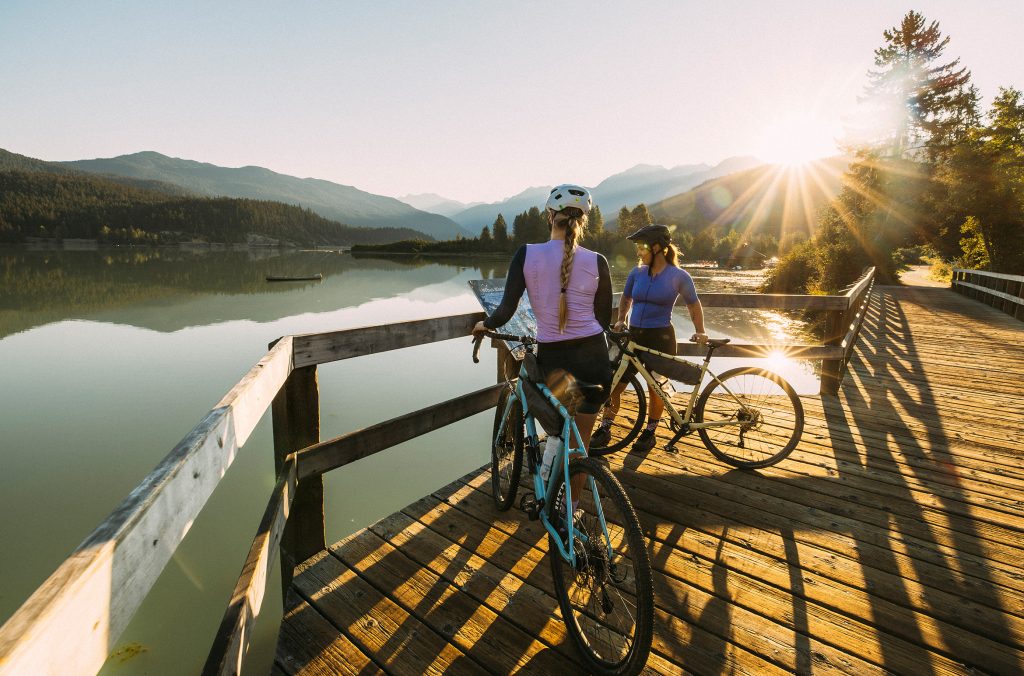
- Whistler has a 46-kilometre Valley Trail that weaves in and out of parks, lakes and neighbourhoods, and you can walk, bike or skate to get around.
- There’s also local transit (accessible for wheelchairs and strollers), taxis and a free summer shuttle
Pack for Mountain Weather
Even in summer, conditions can vary between the village and the alpine. Bring:
- Layers (it can be 10°C cooler up top)
- Comfortable footwear for walking or hiking
- Swimwear for lakes
- Sun protection (hat, sunscreen, sunglasses)
- A reusable water bottle
Don’t Miss These Whistler Summer Experiences
- Wander the Village for patios, shops, ice cream and events
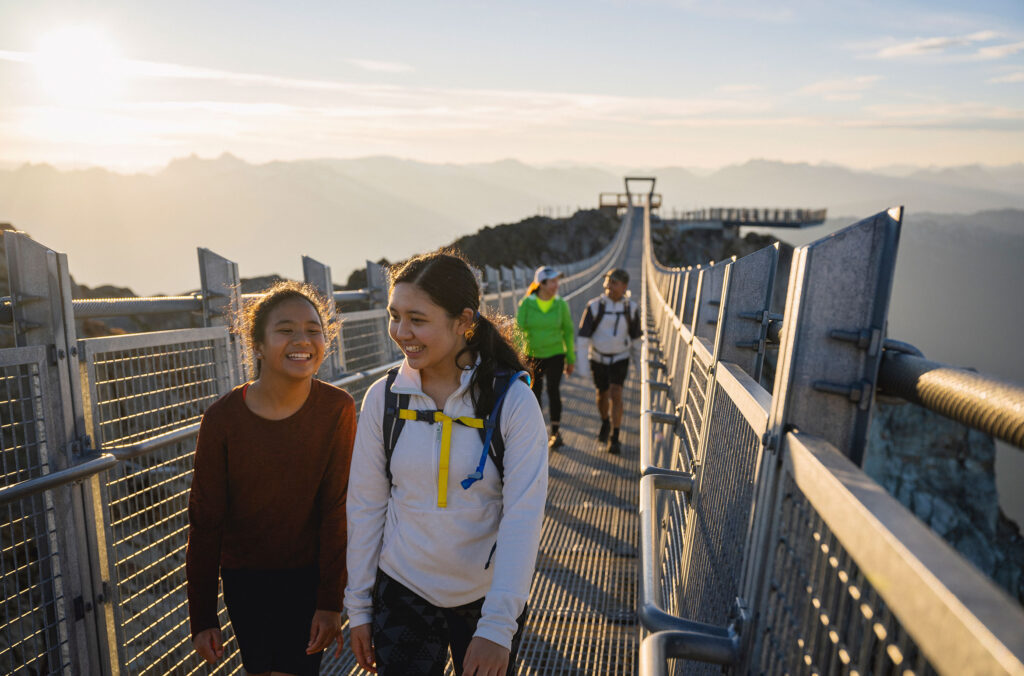
- Head into the alpine for the PEAK 2 PEAK Gondola, suspension bridge and hiking
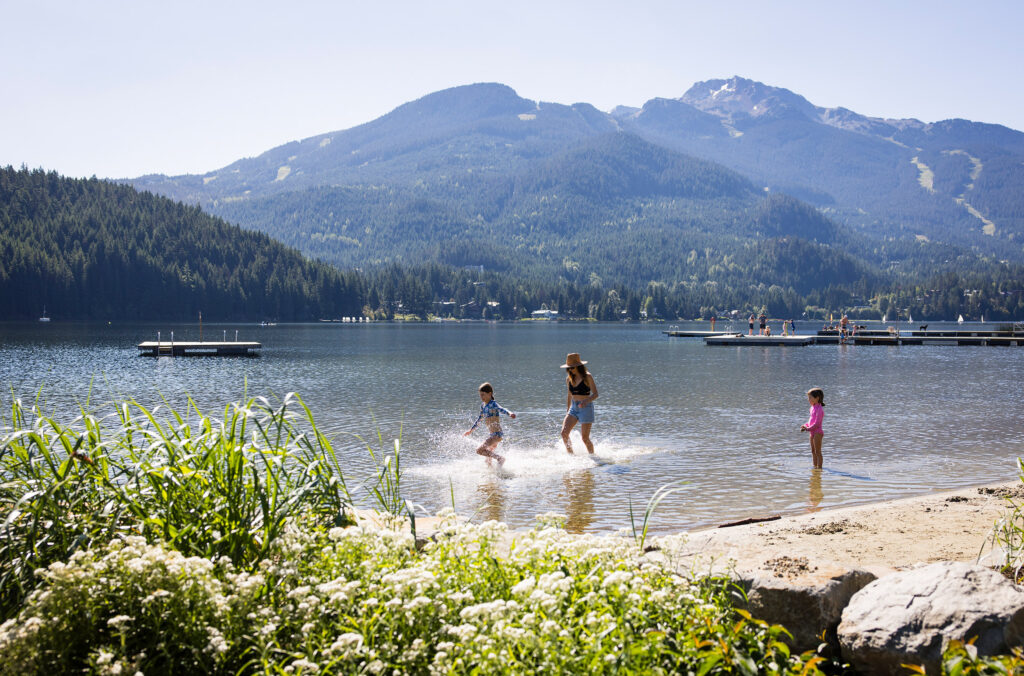
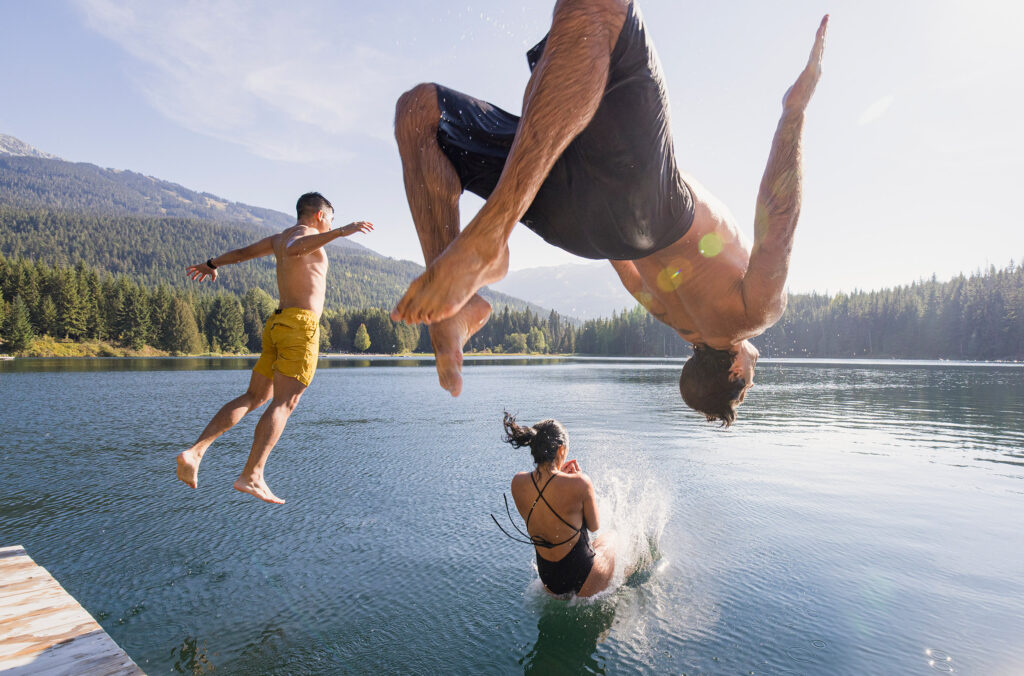
- Spend an afternoon at the lake (we suggest Alta, Lost or Alpha)
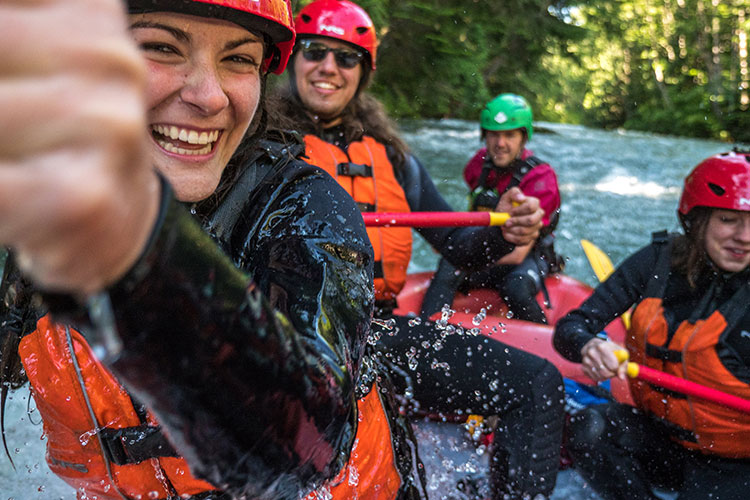
- Do something adventurous, whether that’s whitewater rafting, bear viewing, ziplining or ATVing
- Bike on the Valley Trail, in the Whistler Mountain Bike Park or on the hundreds of cross-country trails
- Play golf on one of Whistler’s four championship courses
- Explore further and head to Creekside Village and Function Junction for funky stores, breweries, galleries and restaurants
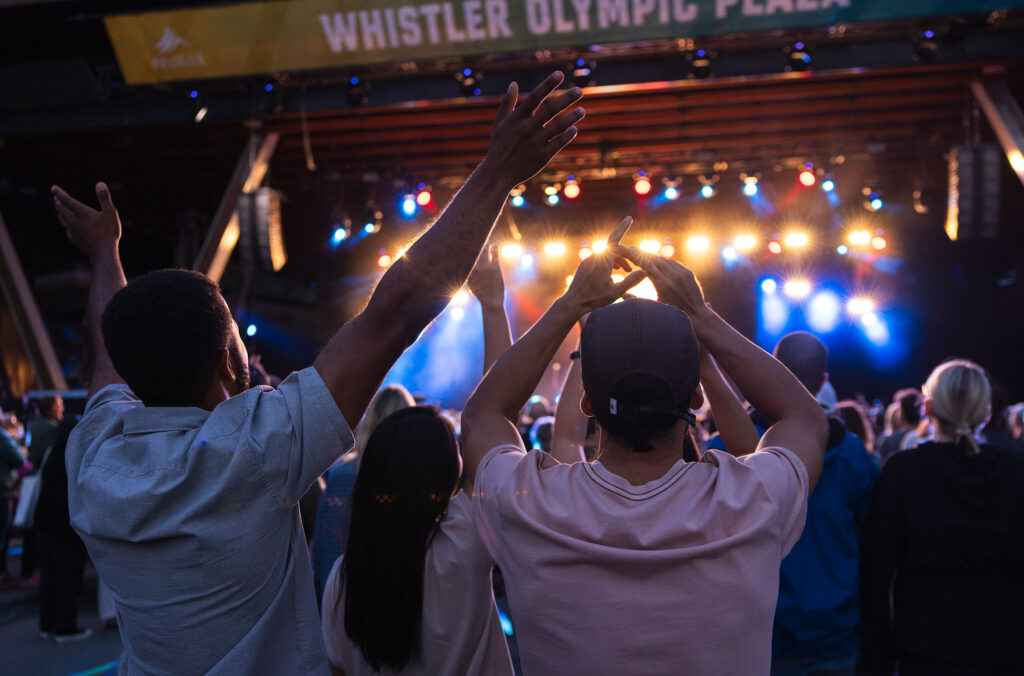
- Go to an event like the Summer Concert Series and Crankworx Whistler Mountain Bike Festival
Take a read of our Summer Family Adventures, Summer Adventure Challenges and 17 Things to Do in the Alpine posts for more ideas.
Beat the Crowds
In summer, the best experiences happen early. Plan to start your day before 10 AM, especially for lakes and popular trails. Things tend to quiet down around 6 PM, when people need to eat – sunset picnic anyone?
Closures
Talking of lakes and parks, Meadow Park’s outside area is getting a remodel this year, and is closed for this summer and fall (the Valley Trail and waterfront lawn will remain open). Whistler Golf Club is also getting a spruce and is closed this summer, reopening in 2027.
Shop Local
If you need supplies—whether that’s trail runners, a swimsuit or buckets and spades for the kids—buy them locally. Not only does this support Whistler businesses, but it’s also a great way to connect with people who live here and pick up a few insider tips.
Safety Information
- Remember that Whistler is bear country, so please dispose of your waste responsibly and read up on how to be bear-aware. If a bin is full, please take your waste back to your accommodation to dispose of it. Let’s keep wildlife wild.
- If you’re adventuring, be Adventure Smart and remember the Three T’s: trip planning, training and taking the essentials.
- Consider our Responsible Travel pillars: Respect Nature, Think Environment, Don’t Love It to Death and Support Local.
- Wildfires are a very real threat to Whistler – do not throw cigarette butts (of any kind) onto trails, into forested areas, or out of car windows. The fire danger rating gets updated daily by the BC Wildfire Service, and when it reaches High or Extreme, open fires are banned. If you see a fire, call 911.
- Whistler Alert is the official emergency notification system used by the RMOW to communicate with residents and visitors during emergencies via text message, phone and email. We encourage you to sign up for it while you’re here (just in case). When you register, you will be asked to provide your contact number and the date you plan to leave Whistler so that you don’t receive alerts when you’re back home.
Respect the Outdoors
Help keep Whistler beautiful:
- Stay on marked trails
- Pack out all garbage
- Give wildlife space
- Follow local guidelines and signage
Help Whistler with its environmental goals by drinking alpine fresh tap water versus bottled, avoiding single-use plastic, choosing active modes of transportation and using the compost and recycling bins in the Village and at the parks.
Whistler.com also has a handy page with Know Before You Go information, including border requirements, currency, weather, etc. Take a read of our other Know Before You Go posts for this summer on Whistler Blackcomb Sightseeing, Biking and Hiking, and Whistler’s Lakes and Parks, along with our Summer Itinerary for what to do on a week in Whistler.
A little planning goes a long way – book ahead, start early and give yourself time to explore. Welcome to summer in Whistler, where every day is a cause for celebration, yet calm and stillness still have their day in the sun.