Whistler has long been a place for big dreams. From Myrtle and Alex Philip’s vision of a wilderness fishing lodge on the shores of Alta Lake, to the dream of developing a world-class ski resort and eventually hosting the Olympic and Paralympic Winter Games, Whistler’s history has been shaped by people who imagined what the valley could become.
The Valley of Dreams Walking Tour, presented by the Whistler Museum, brings these stories to life during an approximately one-hour walk through Whistler Village. Led by local guides, the tour explores the people, places, and ideas behind Whistler’s transformation from a remote summer destination into an internationally recognized mountain destination.
When: From June through September
Time: 11 AM – 60-minute tour
Cost: By donation
Meeting Place: Whistler Visitor Centre (no need to book, just turn up)
Along the way, new, or familiar places take on deeper meaning.
- Why does the Village Stroll wind instead of following a straight line?
- What brought the first tourists to Alta Lake?
- Why was Whistler Mountain developed in the first place?
- Why is the town named Whistler?
- And just how long did Whistler pursue its Olympic dream before finally welcoming the world in 2010?
The answers can be found in the landscape, and in the stories of the people who helped shape it. We’re giving you a sneak preview of some of the stories covered on the tour; however, nothing beats a tour in-person.
A Valley with a Much Longer History
Whistler’s story did not begin with tourism or skiing.
The Valley of Dreams Walking Tour begins by acknowledging that Whistler is located within the shared, unceded territory of the Líl̓wat7úl Nation and the Sḵwx̱wú7mesh Nation, whose peoples have travelled through and used the region for thousands of years.
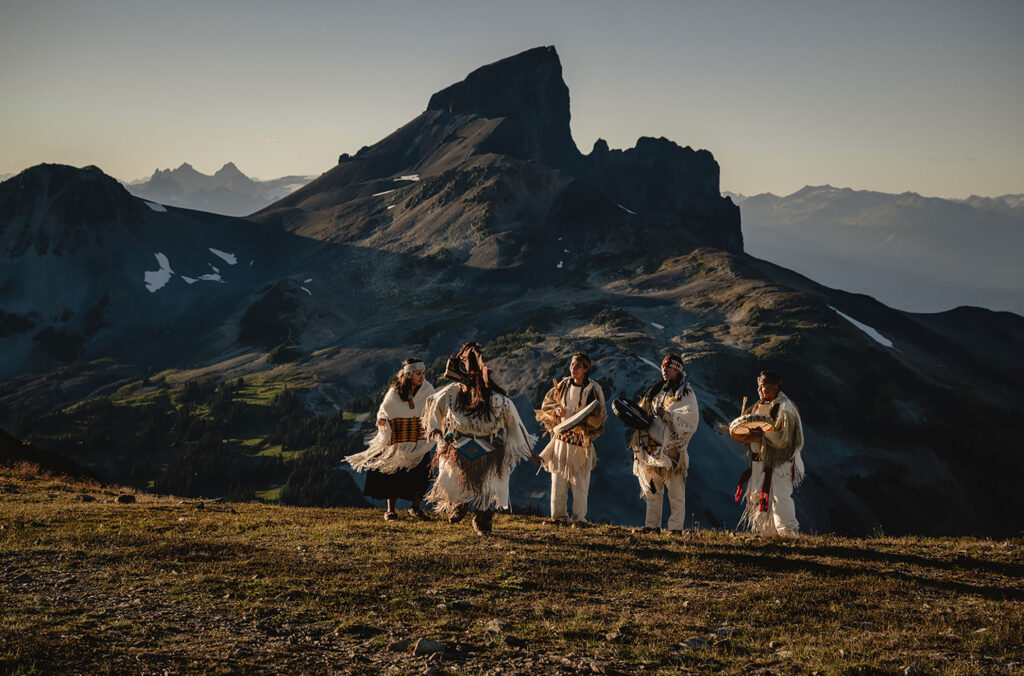
The valley served as a trade and transportation corridor and supported fishing, hunting, and other activities long before the development of the modern resort and the arrival of tourism. This history extends far beyond the scope of a walking tour focused primarily on the development of tourism in Whistler.
Visitors wishing to learn more about the histories, cultures, and contemporary communities of the Líl̓wat7úl Nation and the Sḵwx̱wú7mesh Nation are strongly encouraged to visit the Squamish Lil’wat Cultural Centre (SLCC) in Whistler’s Upper Village.
A Dream on the Shores of Alta Lake
Long before chairlifts carried skiers up Whistler and Blackcomb mountains, visitors were drawn to the valley for a very different kind of vacation.
In 1911, Myrtle and Alex Philip travelled from Vancouver to visit the area after hearing stories of its lakes, mountains, and fishing. The journey took three days, but what they found inspired them to return. In 1913, they purchased land on the shores of Alta Lake and began building Rainbow Lodge.
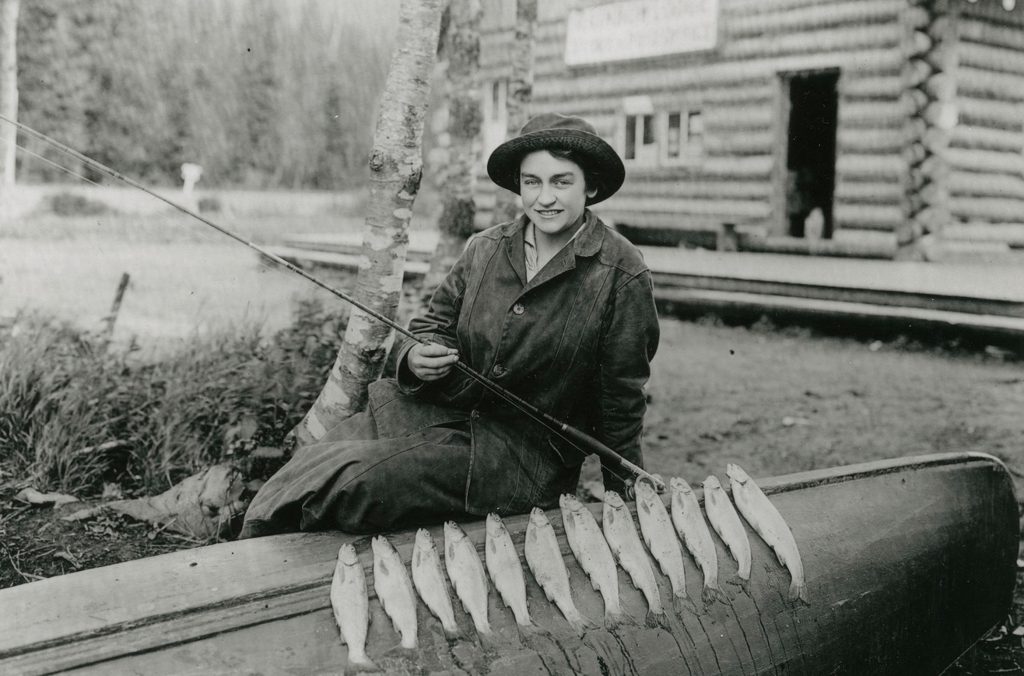
Their timing proved fortunate. The Pacific Great Eastern Railway reached Alta Lake in 1914, reducing the journey from Vancouver from several days to about nine hours. The railway and Rainbow Lodge soon offered a $6 “Fishermen’s Excursion,” including train travel and a weekend at the lodge.
The first excursion brought 24 fishermen and helped launch a new era of tourism in the valley. By the 1930s, Rainbow Lodge had expanded to include dozens of buildings and offered fishing, hiking, boating, horseback riding and other activities. Whistler, then known as Alta Lake, had become a popular summer destination.
Dreaming of a Mountain Resort
The next big dream would transform the valley from a quaint summer destination into a popular international winter ski destination. Following the 1960 Winter Olympic Games in California, a group of Vancouver businessmen began considering whether British Columbia could host the Games.
The Garibaldi Olympic Development Association was formed in 1962, led by Franz Wilhelmsen, and eventually selected London Mountain, today’s Whistler Mountain, as the location for a proposed ski area.
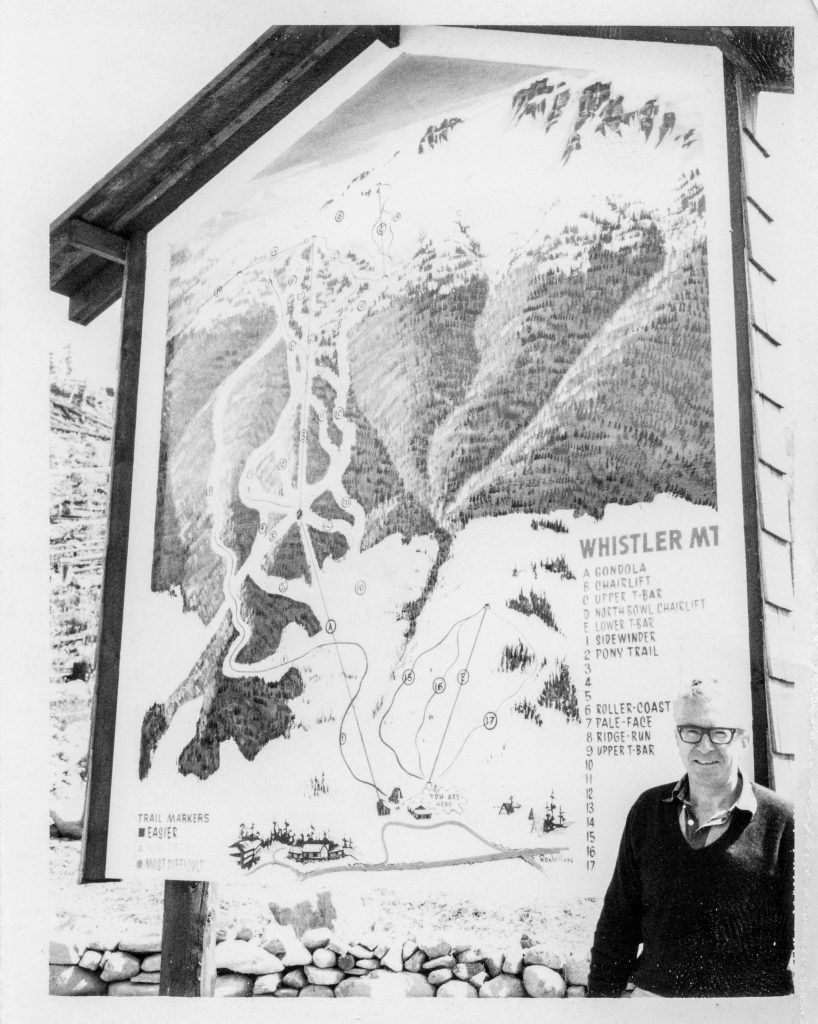
Their first bid – to host the 1968 Olympic Winter Games – was unsuccessful. At the time, the valley had no proper road access, power, running water or ski lifts. But the larger idea survived. Garibaldi Lifts Ltd. was formed to develop the mountain, and on January 15, 1966, Whistler Mountain officially opened with a gondola, chairlift and two T-bars.
The Olympic dream would have to wait, but the dream of creating a major mountain resort was underway.
Building a Village from the Ground Up
Whistler Mountain’s success brought rapid growth, and in 1975 the Resort Municipality of Whistler was established as Canada’s first resort municipality. One of the new municipality’s greatest challenges was creating a town centre for the growing community and resort.
The Whistler Village visitor experience today owes much to landscape architect Eldon Beck. With direction from the newly formed council to create a pedestrian-focused village, Beck envisioned a village that flowed through the landscape.
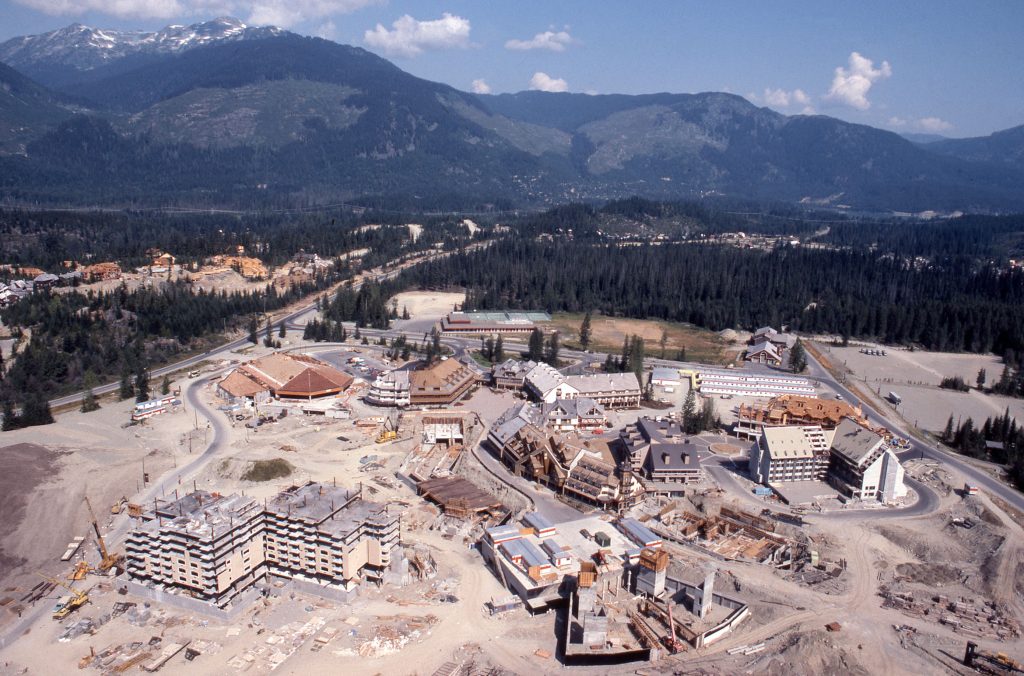
The Village Stroll was designed to meander, encouraging people to slow down, wander, and discover new spaces. Plazas created gathering places, while delivery areas, parking entrances, and much of the infrastructure needed to operate the resort were tucked behind the buildings.
The design also created a strong sense of place, with carefully considered viewpoints connecting the Village Stroll to the surrounding mountains. Construction began in 1978, with the first phase completed in 1980, the same year Blackcomb Mountain opened for skiing.
As you walk through the Village today, the tour reveals how many features that now seem natural were the result of deliberate, and sometimes unconventional, ideas for the time in North America.
The Olympic Dream Becomes Reality
Through the 1980s and 1990s, Whistler continued its transformation from a regional ski destination into an international one. During this period, Whistler Mountain and Blackcomb Mountain operated as competitors, and their rivalry helped push both mountains to greater heights as they added new lifts, terrain and better amenities.
By 1992, Whistler’s growing international reputation was recognized when Snow Country Magazine named Whistler Resort the Number One Ski Resort in North America, the first of many similar accolades. The two mountains’ operations eventually merged in 1997.
All the while, Whistler’s Olympic ambitions remained.
There were multiple attempts over the decades, but it was not until July 2, 2003, that Vancouver and Whistler were awarded the opportunity to host the 2010 Olympic and Paralympic Winter Games. Seven years of preparation followed.
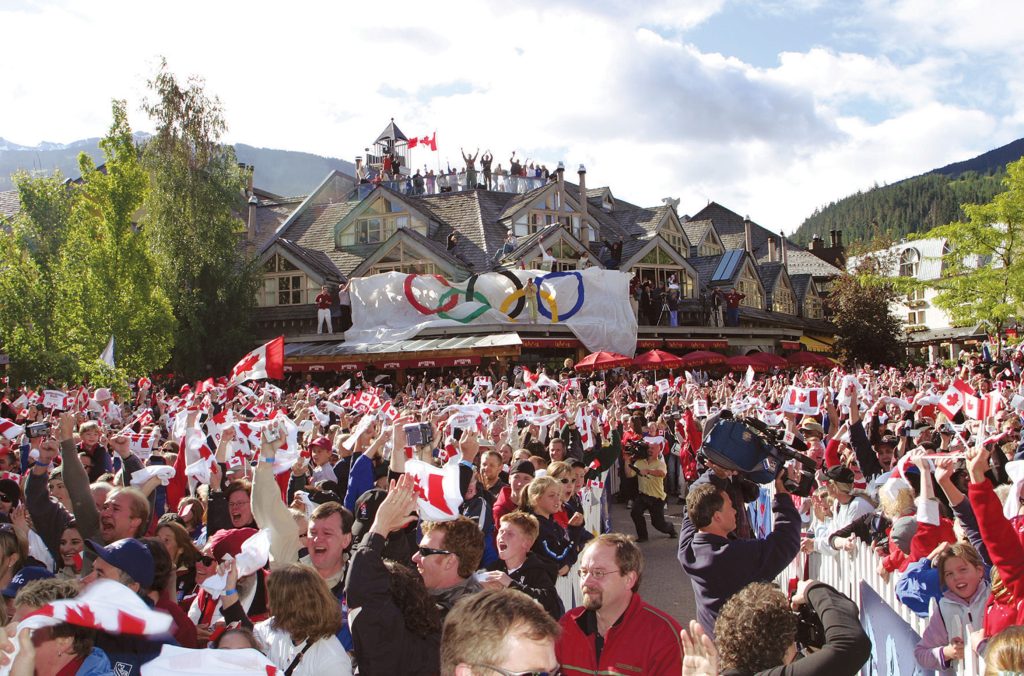
Then, in February and March 2010, Whistler welcomed athletes and visitors from around the world as an Olympic and Paralympic host community. The Games themselves were held on the territories of four Host First Nations: Líl̓wat7úl Nation, xʷməθkʷəy̓əm Nation, Sk̲wx̲wú7mesh Nation, and səlilwətaɬ Nation.
The Valley of Dreams Walking Tour concludes around Olympic Plaza, connecting one of Whistler’s earliest ambitions with the international mountain destination it had become.
Nearly 40 Years of Sharing Whistler’s Stories
The Valley of Dreams Walking Tour is presented by the Whistler Museum & Archives Society, which has spent nearly 40 years collecting, preserving, and sharing the history of Whistler. Through photographs, artefacts, documents, oral histories, exhibitions, and community programs, the Museum preserves the stories of the people and events that have shaped the valley.
The walking tours take those stories beyond the Museum walls and into the places where much of that history happened.
Tours are led by local guides, each bringing their own knowledge and experiences to Whistler’s story. Whether you are visiting Whistler for the first time, working here for a season, or have been coming for years, the tour offers a chance to look at familiar places from a different perspective.
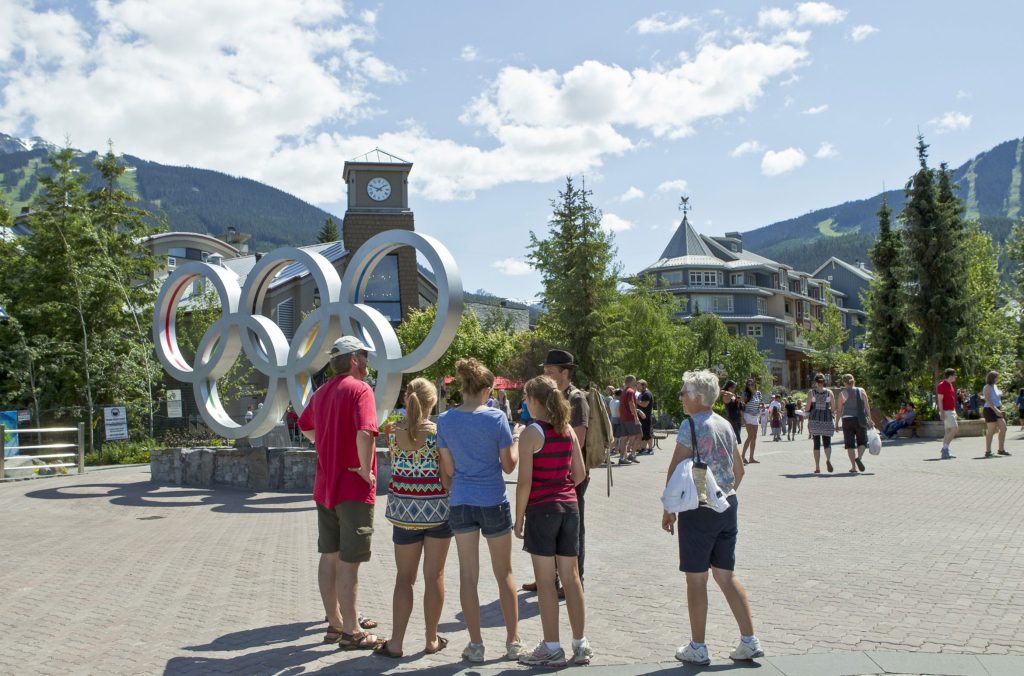
After all, Whistler as we know it today began with people looking at this valley and dreaming of what might be possible. The Valley of Dreams Walking Tour departs from the Whistler Visitor Centre at 11 AM daily from June through the end of September. Tours take approximately one hour and are offered by donation (private tours are available upon request).