“The aim of Art is to represent not the outward appearance of things, but their inward significance.”
— Aristotle, 350 BC“Yeah, well…you know…that’s just, like, your opinion, man.”
— Jeff Lebowski, 1998
The awesome thing is, they’re both correct. Tied so intrinsically to the creativity of the human spirit, art is tough to define, and each of us seems to draw our own lines about what art appeals to us. That’s part of the magic.
But there’s no denying that something here in the crisp air and mountain vistas of the Whistler area that pulls artistic souls to this place. Perhaps it’s the colours, the multitude of greens in the emerald forest, the sparkling blues of Alta Lake. Or it might be the allure of the cold, hostile environment…the promise of nearby peace and solitude.
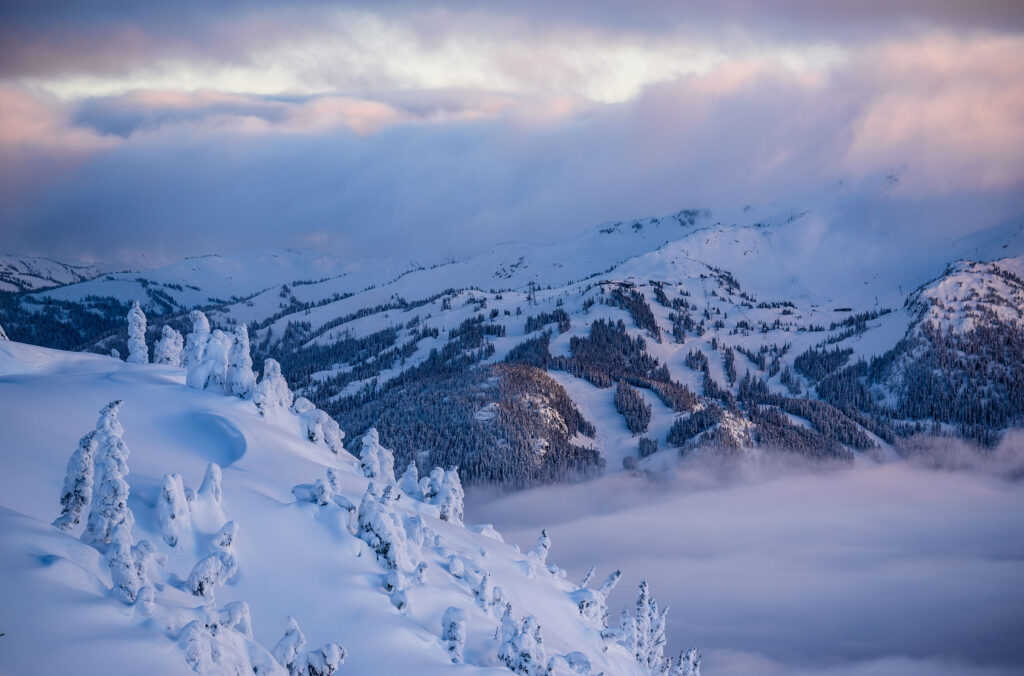
Whatever the reason, Whistler has long been a haven for free thinkers and visionaries. And art, in whatever form, is an important part of the story of this place.
First Nations, First Artists
Certainly, that story starts with the Squamish and Lil’wat Indigenous peoples, who have always shared the territory now known as Whistler as a hunting, foraging, fishing and trading ground. The coastal nations of British Columbia are known around the globe for the detail and beauty of their art, from basketmaking and weaving to carving and painting.
“It’s because of the salmon and the sea,” my artist buddy Chili Thom used to tell me. “In other regions, like the Prairies, those nations had to constantly chase herds for food—buffalo, caribou, and such. Out here, the food comes to them. Salmon return to spawn each fall, the herring spawn in February, and there’s more consistent food, so people aren’t as nomadic. Which means they have more time and space to work on their art.”
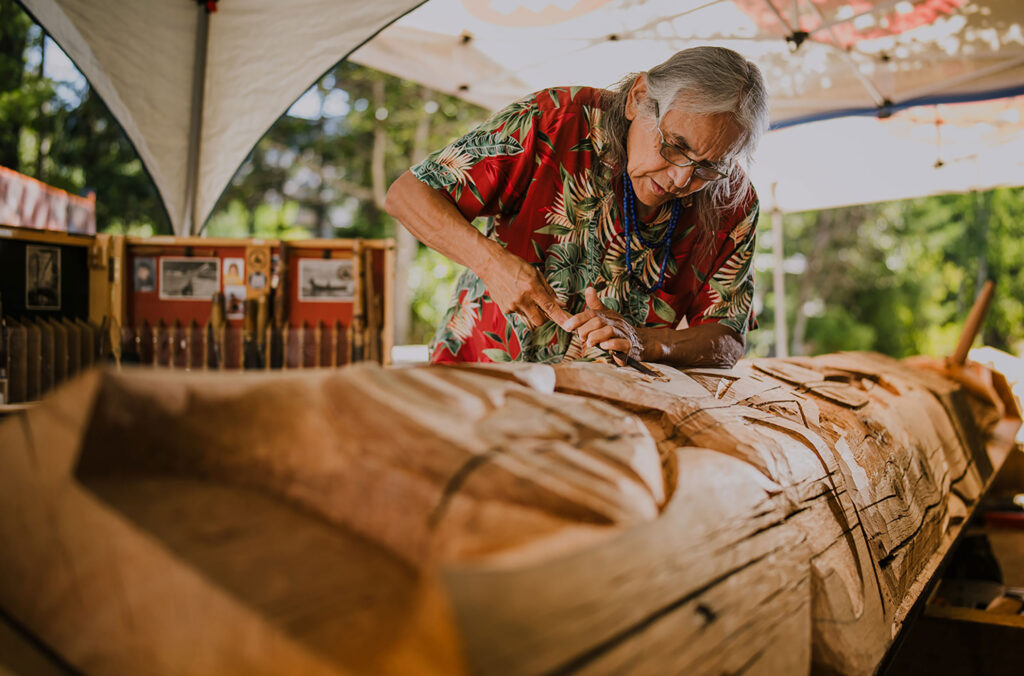
Chili was primarily a landscape painter, but he also apprenticed with Xwalactun, a Squamish Nation carver sometimes known as Rick Harry. Xwalactun’s work is featured throughout Whistler and around the world, and he’s been teaching Sea to Sky children the traditional forms and line-work of Coast Salish design as far back as the 1980s.
“I create native art with a connection to the past, present and future like our ancestors did,” Xwalactun says.
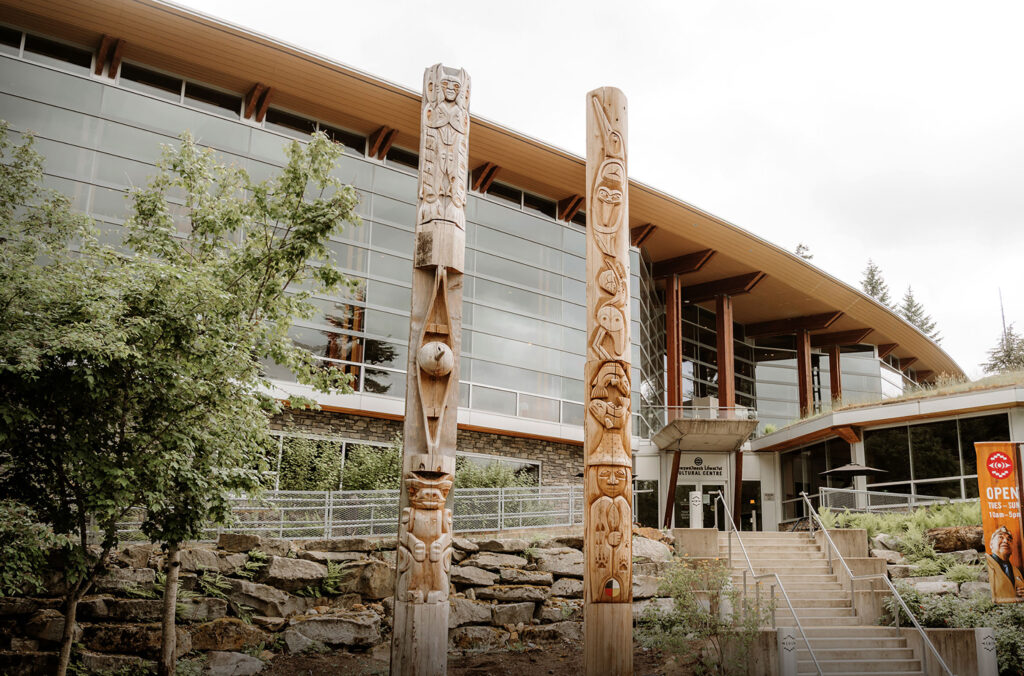
He has art throughout Whistler, including a house post he carved with apprentice Brandon Hall standing at the Lorimer Road entrance to the Squamish Lil’wat Cultural Centre, and the grand steel totem he designed for the front entrance of the Audain Art Museum.
Outside the Audain Museum, on the corner adjacent to the parking lot, a six-metre-tall cast bronze statue stands as a collaboration between three nations. Haida hereditary chief Jim Hart (7idansuu) crafted the three watchman figures that sit atop the 8,000-pound piece of public art, while Xwalactun and Lil’wat artist Levi Nelson collaborated on the aluminum band base, inspired by Lil’wat and Squamish pictographs.
Nelson, who recently got his master’s degree at Columbia University in New York City, is one of the most celebrated contemporary Indigenous artists in Canada. He recalls being in third grade, learning to draw a northwest-style bear from Xwalactun and calls the watchmen project a full circle moment. He also has a canvas of his own—Nations in an Urban Landscape—hanging within the Audain museum, and in 2025, he collaborated on the medal designs for the Invictus Games, hosted in Vancouver and Whistler.
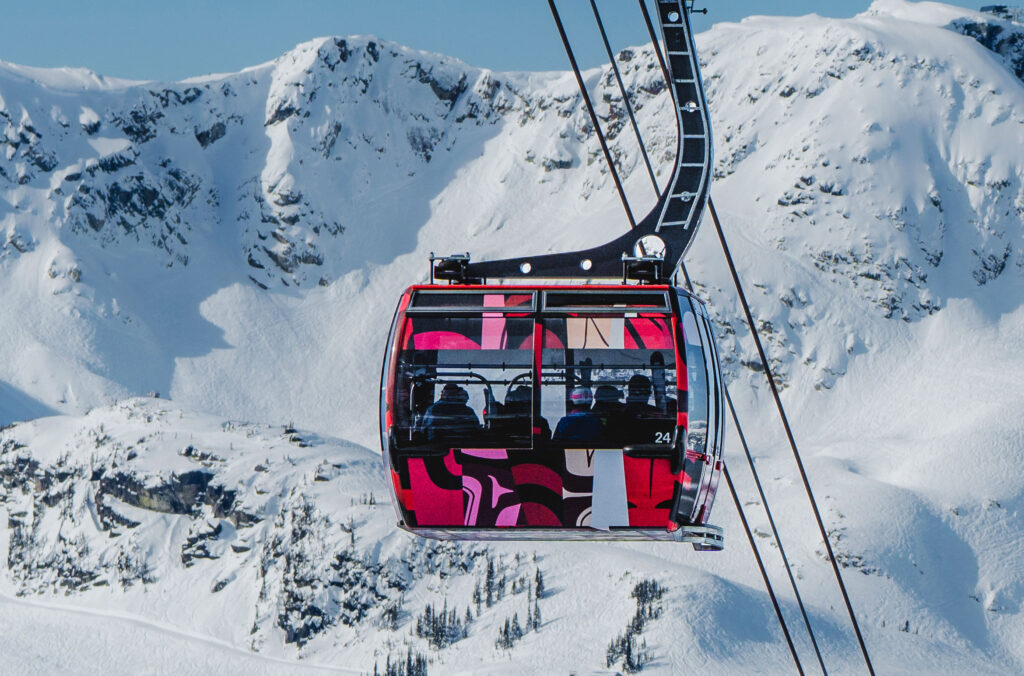
Nelson also has artwork gracing one of the PEAK 2 PEAK Gondola cabins, travelling the span between Whistler and Blackcomb. Chepximiya Siyam’ Chief Janice George, and husband, Skwetsimeltxw Willard ‘Buddy’ Joseph of the Squamish Nation are featured on another gondola cabin. The pair transformed one of George’s traditional weaving patterns into a bold, colourful geometric graphic. Best looking gondy on the line in my opinion!
With generations of art and artists from this area, the best place to learn about and see Squamish and Lil’wat artworks is at the Squamish Lil’wat Cultural Centre, where ambassadors can guide the process, answer questions, and provide the correct context.
Isobel MacLaurin
The first European settlers to arrive in the Whistler area were mostly trappers, prospectors and trail builders. Rough, nomadic souls not remembered for their artistic leanings. But when Myrtle and Alex Philip trekked into town in 1912 and started building what would become the largest fishing lodge west of Banff, Alberta… well, they needed something other than fishing rods to hang on the walls.
Whistler’s first homegrown, professional artist was the always delightful Isobel MacLaurin, painter, skier, friend and artist about town since the early 1960s.
“She wanted to be an artist,” Isobel’s daughter Jill told Pique Newsmagazine shortly after her mother’s death at age 92 in 2024. “She was always going to be the one who did her own thing.”
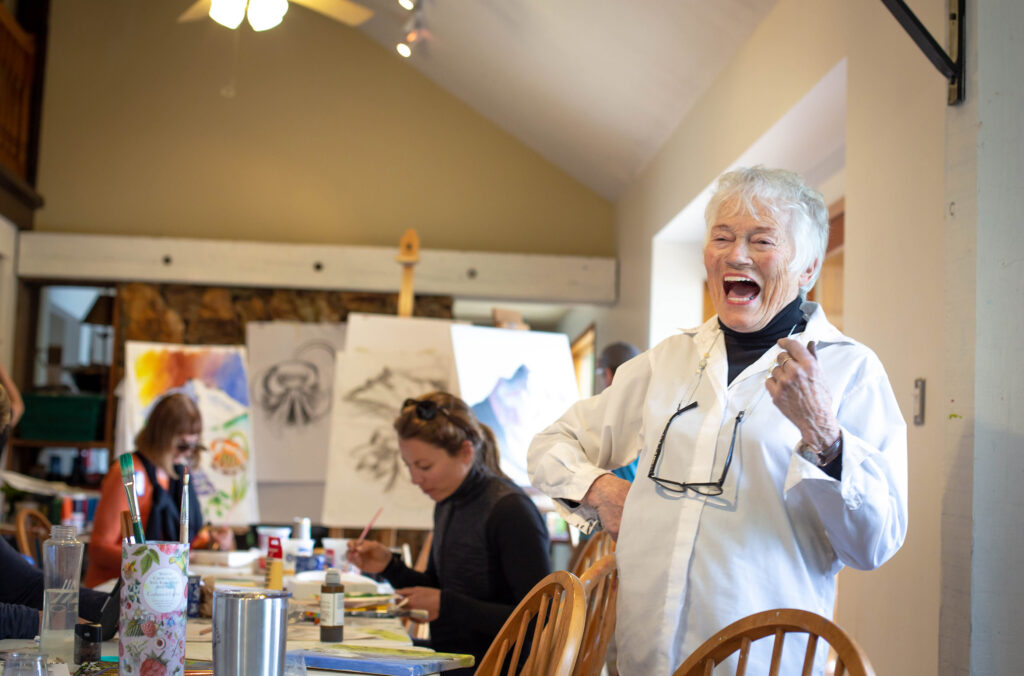
Her landscapes are ubiquitous across Whistler (look for the interpretive signs on Whistler and Blackcomb or the Valley Trail), but Isobel’s paintings and murals also grace walls in Greater Vancouver, at the British Columbia Institute of Technology, and even overseas at the University of the South Pacific in Fiji. And as much as she loved creating art, she also loved sharing her passion and knowledge with younger artists. Her life and impact on the Whistler community is immeasurable.
The Answer, The Peak Bros & The Counterculture
Once the ski hill opened in 1965, Whistler saw an influx of ski bums, renegades and what some would call “dirty hippies” flocking to town to live in squats and shantytowns whilst living those pow-day dreams. It was an era of free-thinking and communal bliss—life itself is art when you’re living rent-free, skiing or swimming daily, and smoking with your friends.
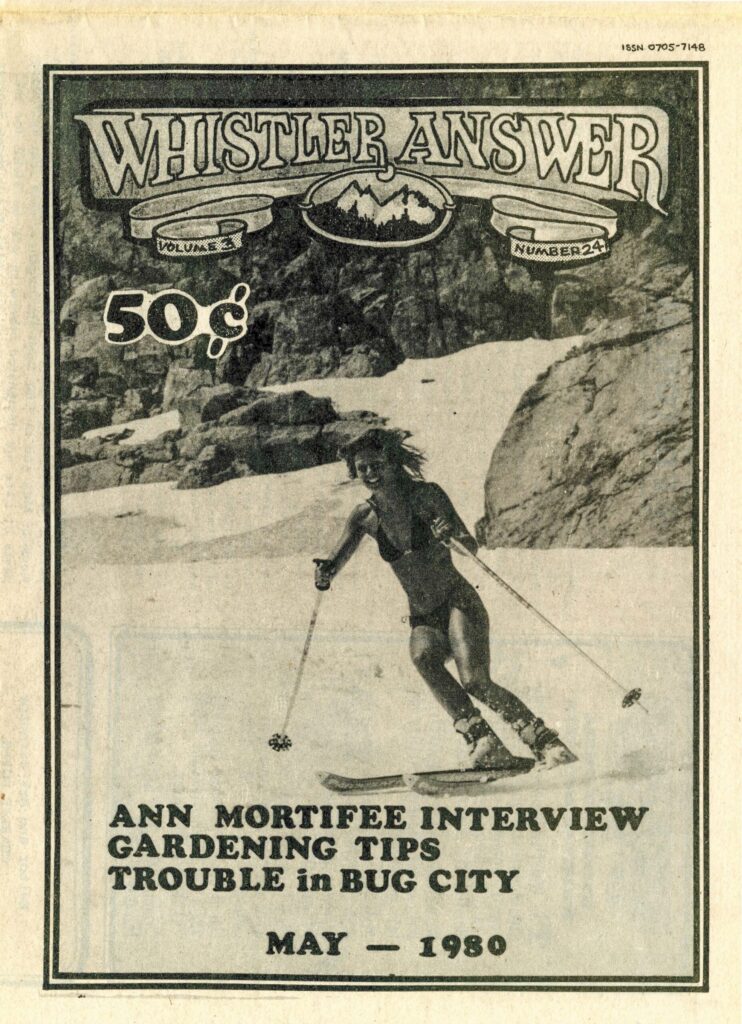
As society encroached with the Resort Municipality of Whistler forming in 1975, the free-thinkers organized their voices into an alternative newspaper, The Whistler Answer, which originally ran from 1979 to 1982 as a counterculture response to Whistler’s original newspaper, The Whistler Question.
Founded by Charlie Doyle, Robin Blechman, and Tim Smith and completely hand drawn and lettered, The Answer provided a tongue-in-cheek approach to local politics and mountain culture alongside legitimate ads for hot tubs “for relaxing and socializing,” live music at the Christiana Inn, and the “showers, pinball, laundromat” at Food Plus, Whistler Creekside’s legendary convenience store.
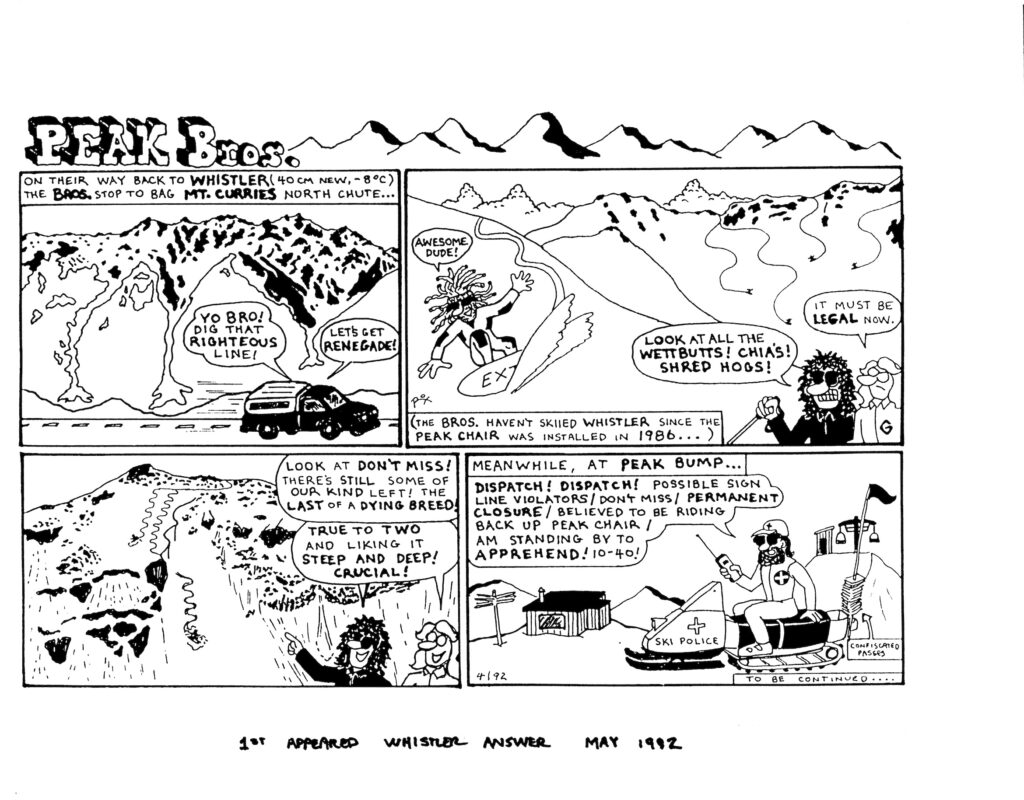
The Answer was also home to the early editions of Whistler’s best-known comic strip, The Peak Bros.. Created by Gord “Rox” Harder and based on the real-life adventures of him and his friends, Peak Bros., who liked to ski the heck out of Whistler mountains. The strip ran across a few publications from 1979 to 1992, and many of the characters who pop up in the strips are based on real Whistler locals from that era.
The Whistler Community Arts Council
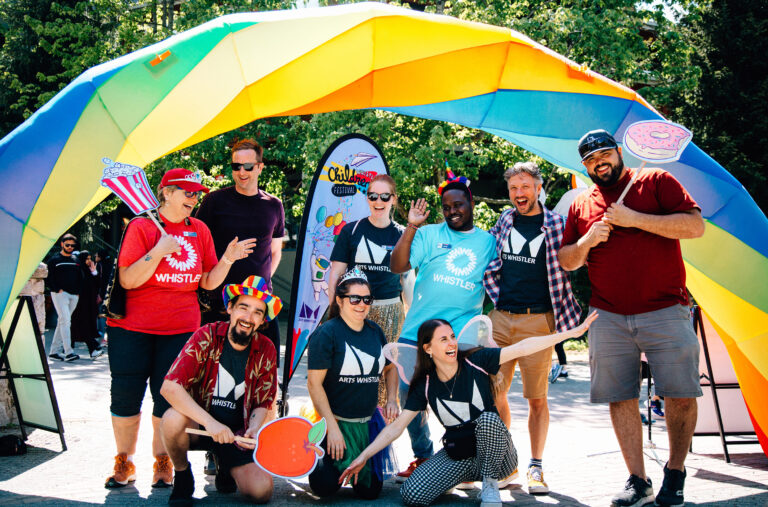
Just a single year out of journalism school, Glenda Bartosh bought The Whistler Question in 1982, becoming one of the youngest publishers in Canada. That same year, she banded together with a few artistic-minded Whistler residents (including textile artist Inge Nielsen, library advocate Joan Richoz, Tamsin Miller, Margaret Long, and Gail Rybar) to form the Whistler Community Arts Council (which still exists today as Arts Whistler).
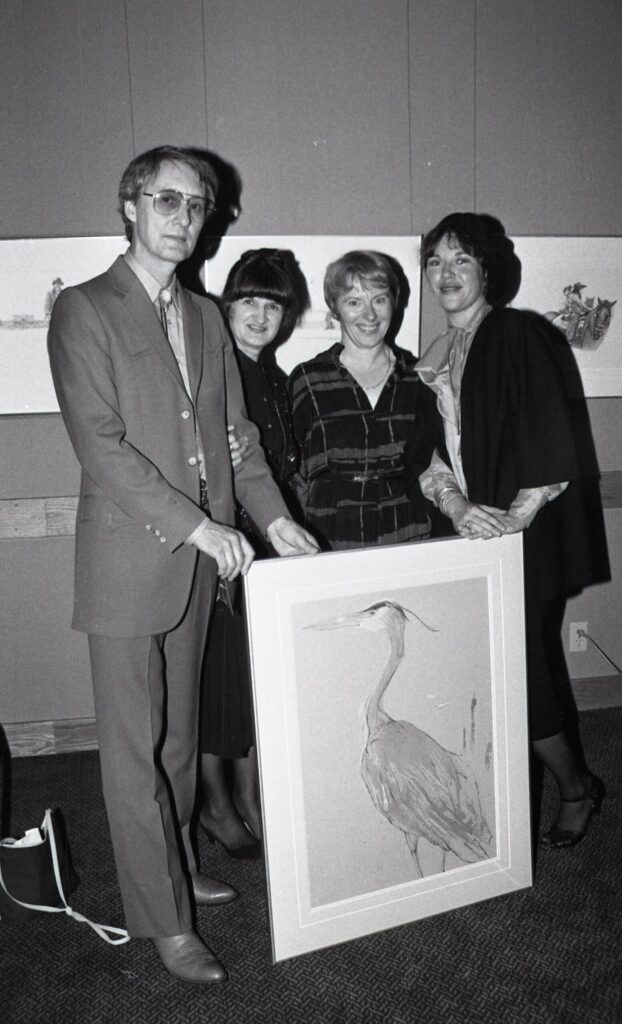
Using the power of the (her) press to promote the new arts entity and art in general. Glenda and the Arts Council’s first big project was a 17-artist exhibit with donated rooms and meals for artists who came up from Vancouver, followed by the creation of the Whistler Children’s Festival, a Performance series, and the first local arts market, the Bizarre Bazaar.
“At the Arts Council, we brought in dancers, musicians, held art shows and generally supported each other,” Bartosh says. “It was a total community effort that seemed to capture people’s imaginations, and it just grew and grew and grew.”
Many of those original initiatives continue to run today (though some of the names have changed), and Arts Whistler is an integral part of Whistler’s artistic fabric.
In 2010, the Whistler Arts Council took over management of what’s now known as the Maury Young Arts Centre. Completed in 2000 and originally used as a community facility with a theatre, youth centre and multi-faith facility, the Centre has grown to become the beating heart of contemporary art in Whistler, with monthly gallery shows, live theatre, films, comedy and more.
“I like to think some of the creative types that stayed in this community did so because they found support and an outlet through the Arts Council/Arts Whistler,” Bartosh says.
It’s more than likely she’s correct.
Whistler’s Art Galleries
As Whistler Village and the Blackcomb benchlands sprang to life throughout the 1980s, dedicated art galleries began popping up to bring art—local and imported—to the growing number of travellers coming to town. Over the years, local artists have set up their own galleries, for as long as they can sustain them. Rising real estate and rent costs in one of the most popular (and expensive) communities in the country make things difficult for young artists to break through with their own galleries.
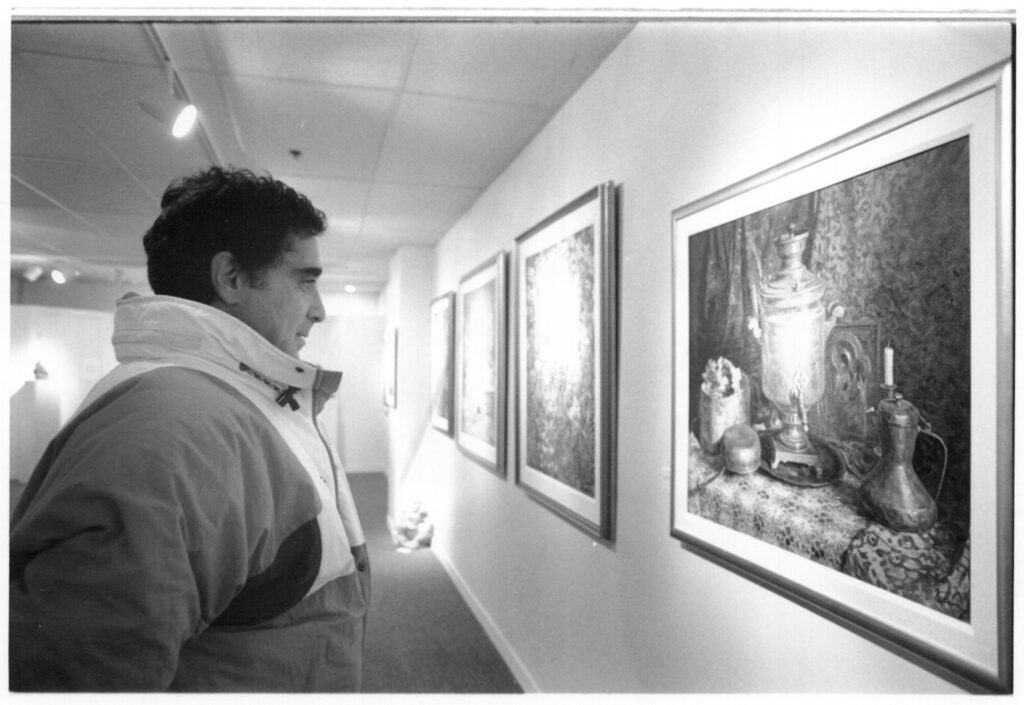
In larger cities, the artists simply end up in the more industrial, less desirable parts of town. Built in a narrow mountain valley, Whistler is short on dilapidated warehouse districts, but there is always good art going on in Function Junction if you know where to look. (Otherwise, here’s a blog outlining all of Whistler’s current art galleries).
The Toads
If The Whistler Answer taught us anything, it’s that some artists thrive outside the box created by “the establishment.” And in the 1990s, the newly created Whistler Skatebowl gave some of those artists a place to express themselves. Constantly evolving, the spray-painted graffiti in the bowl (and later the expanded park) is always a nice way to check in on the local scene you won’t find in any galleries. (And it’s always a treat when Kris Kups puts up a new one.)
And down in Function Junction, since 1989, the Toads have been doing the same. Toad Hall Studios is Whistler’s original art and print studio. If you or someone you know started a business in Whistler over the past quarter-century, chances are Toad Hall created your T-shirts, logo, posters, or all of the above.
With an evolving roster of artists that included Stu MacKay-Smith, Pete “Goldfinger” Malaschitz, Dave “Pepe” Petko, Sheree Blanch, Semele Anstis, and others, the Toads pumped out the “lowbrow” images of ski and snowboard babes, trippy suns and moons, nature fairies, and rock’n’roll demon bunnies that graced the stickers, posters, and t-shirts of a generation. And Toad Hall is still at it, carrying the counterculture torch while still supporting Whistler businesses’ needs for local creatives.
WSSF: The State of the Art
Established in the mid-1990s as a season-ending festival to celebrate sport and art, the World Ski & Snowboard Festival may hold the crown as the most significant event ever for local artists of any discipline.
Since 2001, local filmmakers have had the opportunity to create and screen short movies (and potentially win cash!) at the 72-Hour Filmmaker Showdown. The Photographer Showdown format has evolved over the years, but over the last 25 years, it’s featured all the best and best up-and-coming action sport photographers on the planet. There have been writing events (the collective novel), theatre events (Chairlift Review), multimedia showcases (Mountain Life Multiplicity) and of course, the best night of the year for local ski and snowboard film crews (Intersection).
But the WSSF’s biggest contribution might actually be to Whistler’s local visual artists. The State of the Art exhibit kicked off in the year 2000 and featured dozens of Whistler-area artists exhibiting multiple pieces in the free-to-enter main foyer of the Whistler Conference Centre for the entire duration of the festival. Which means almost every local artist has had their work seen and sold, usually multiple years in a row. The event is now called Art & Soul, but the tradition continues. Art for art (and artists’) sake.
Chili Thom
Regularly featured at the State of the Art and influenced by the Toads (and the Group of Seven), Chili Thom’s landscape paintings struck a chord with Whistler locals like no artist before. His command of colour and ability to capture time—an entire sunset over a snowy ridge, a snow flurry blasting through winter trees—speaks perfectly to the sorts of people who love mountains, nature, and the adventures to be had within.
Voted “Whistler’s Favourite Artist” by Pique Newsmagazine readers pretty much every single year until he succumbed to cancer in 2016, Chili’s style continues to inspire young artists locally and abroad.
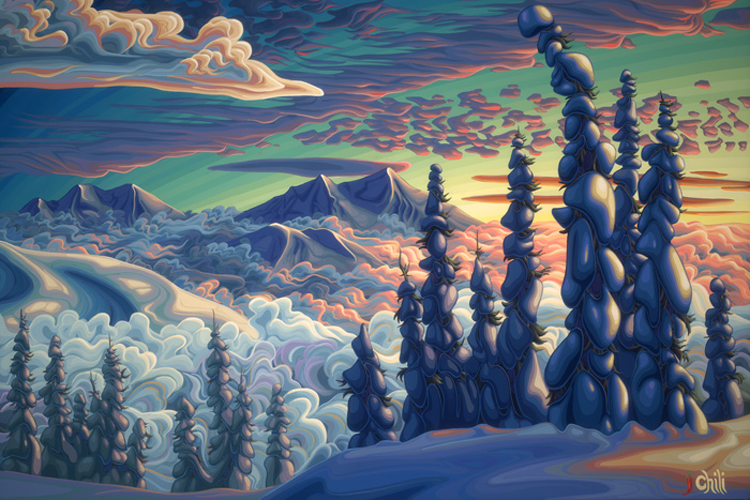
A volunteer on the Whistler Arts Council, a creative director for the 2010 Paralympic parade and celebrations in Whistler Village, a DJ, a film-festival creator, and a friend and mentor to anyone thinking about a life in the arts, Chili’s work hangs in thousands of Whistler homes and around the globe. On a memorial bench in Squamish, Chili’s art looks out over the Pacific Ocean beside a few wise words:
“Go outside, fall in love, make art.”
Andrea Meuller
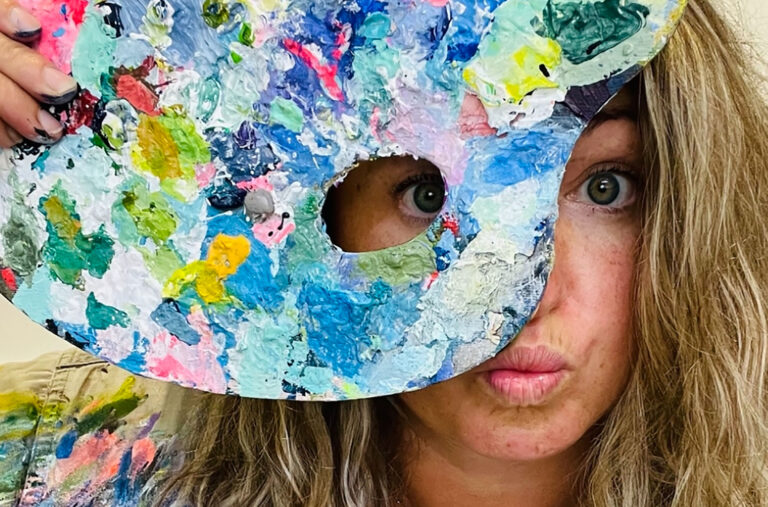
A disciple of the Chili Thom school of “get out there and do it unabashedly” art, Andrea Mueller, like most successful artists, has been working almost non-stop for over a decade to make her art dreams happen.

And it’s working. With stunning animal and nature paintings marked by bold colours and brush strokes, Andrea has taken the crown as Whistler’s favourite artist (for eight years running). She runs Paint Nights all over Whistler and hosts workshops for adults and kids in her studio space in Function Junction.
“Artists need more support,” she told the Whistler Insider earlier this year. “We need to have space to create, to encourage more artists to live in Whistler and make sure younger people can contribute to the art scene, including seasonal visitors.”
And therein lies the rub: artists need space to create. Propping a six-foot-wide canvas up in your rental bedroom and working away at it for months is doable when you have your own bedroom, but if you share a bedroom with one, maybe three others, it becomes increasingly difficult. Conversely, when you’re working two to three jobs and trying to shred every day, there’s not always the energy or time to carve your next masterpiece.
Young artists in Whistler face the same challenges they always have—a lack of space and time—but if there’s one thing we can count on, art always finds a way. Art might be subject to personal taste, but I think we can all agree that the more of it the better.
The artists listed in this story are, obviously, only a tiny percentage of the artists—past and present—creating and living in the Whistler and Sea to Sky area. The most robust list we can find is over at Arts Whistler’s “Local Artists” page, which we highly recommend diving into. We also suggest visiting Arts Whistler at the Maury Young Arts Centre, which has the 60 Seasons Deep exhibit in its gallery. The show celebrates 60 years of mountain culture, community and adventure inspired by the unmatched terrain of Whistler Blackcomb (on until December 20).