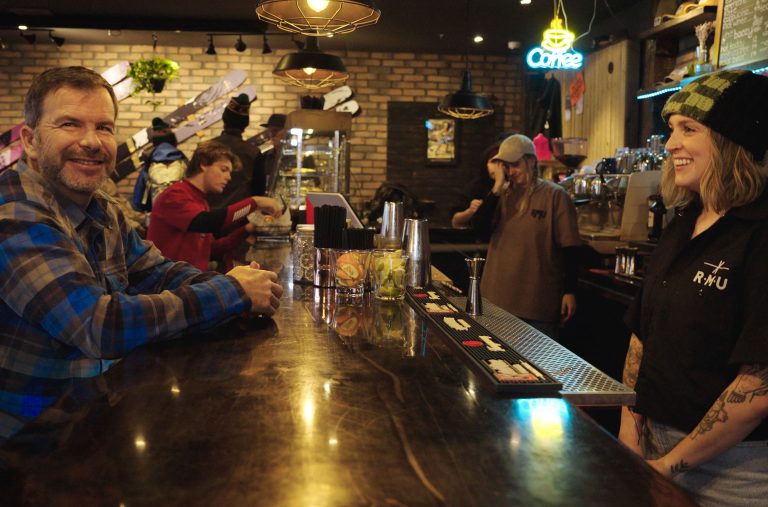
This past September, the Resort Municipality of Whistler (RMOW) marked its 50th anniversary, having been incorporated as Canada’s first resort municipality on September 6, 1975. Over the past fifty years (and for many years before 1975), countless people have worked tirelessly and taken risks to shape Whistler into the resort and community that it is today.
Here, we’ve highlighted a few of the freethinkers and dreamers whose vision, determination and creativity helped define the community. Their contributions, from building trails and businesses to championing culture and the environment, continue to be felt throughout Whistler today.
The Whistler Village: Where Vision Took Shape
After Whistler became a municipality, one of the first tasks faced by the council was to create a town centre (the first project undertaken was the construction of a sewer system and sewage treatment plant). Early council members had a vision of what they wanted the town centre to be: a pedestrian-centred village at the base of Whistler and Blackcomb Mountains. One council member who had a particularly clear vision of what the town centre should be was Al Raine.
Al Raine
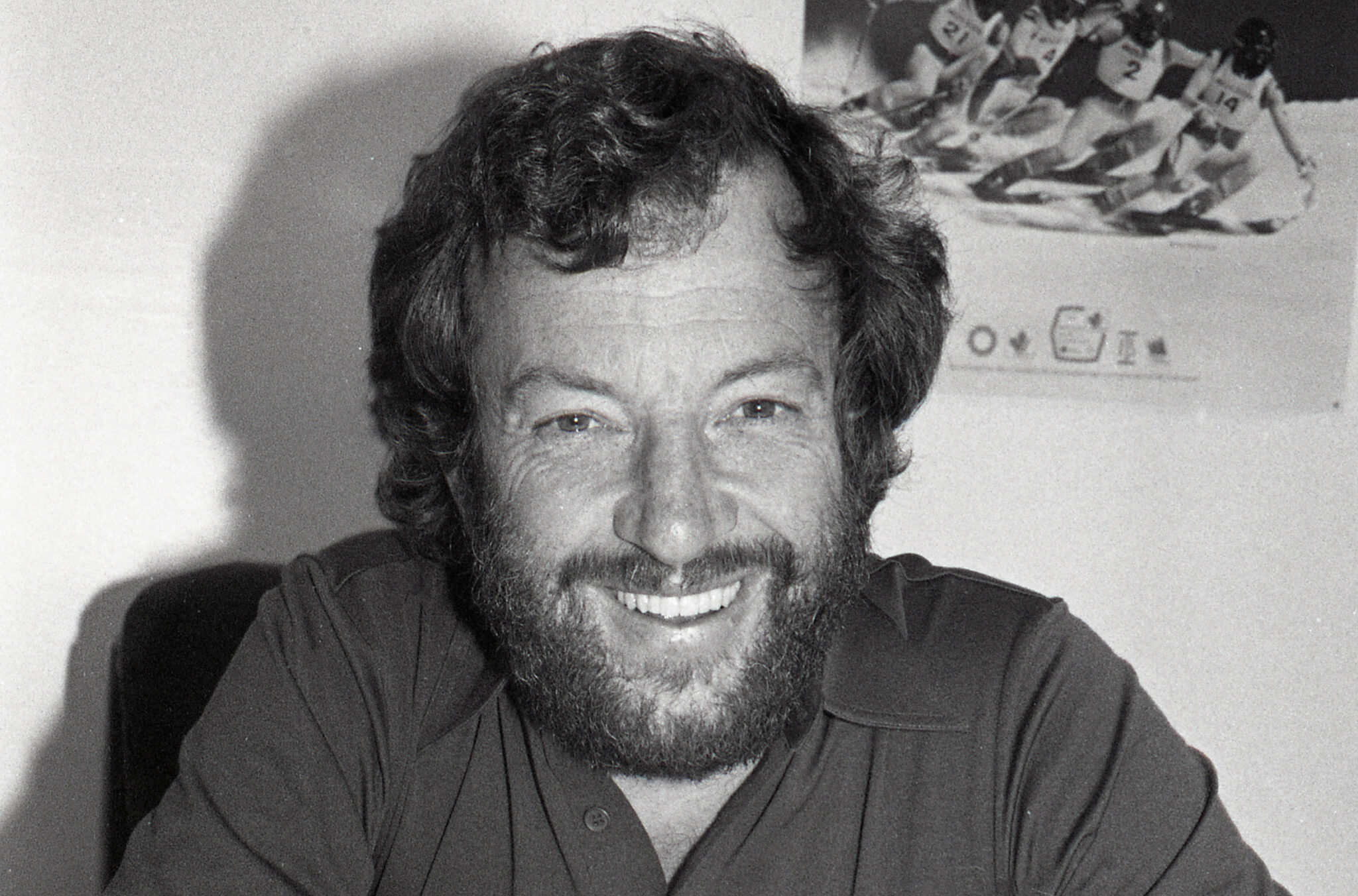
Al Raine first visited the Whistler Valley in the summer of 1964, before lifts began running up the hill. He later returned as a ski coach and, in the early 1970s, took on the position of Provincial Ski Area Coordinator for British Columbia, crafting the province’s first Commercial Alpine Policy. Al also advocated for Whistler’s incorporation as a municipality and, in 1975, became the first (and only) provincial appointee to Whistler’s council.
According to long-time friend and colleague Hugh Smythe, Al’s enthusiasm for the town centre project led him to carry around a series of glossy photographs in his pocket of places and structures that he had seen in Europe that he thought would work well for Whistler. Hugh recalled that Al would “take these out and show anybody that was interested,” sharing his vision for the village.
Read more about Al Raine on the Whistler Museum’s blog.
Eldon Beck
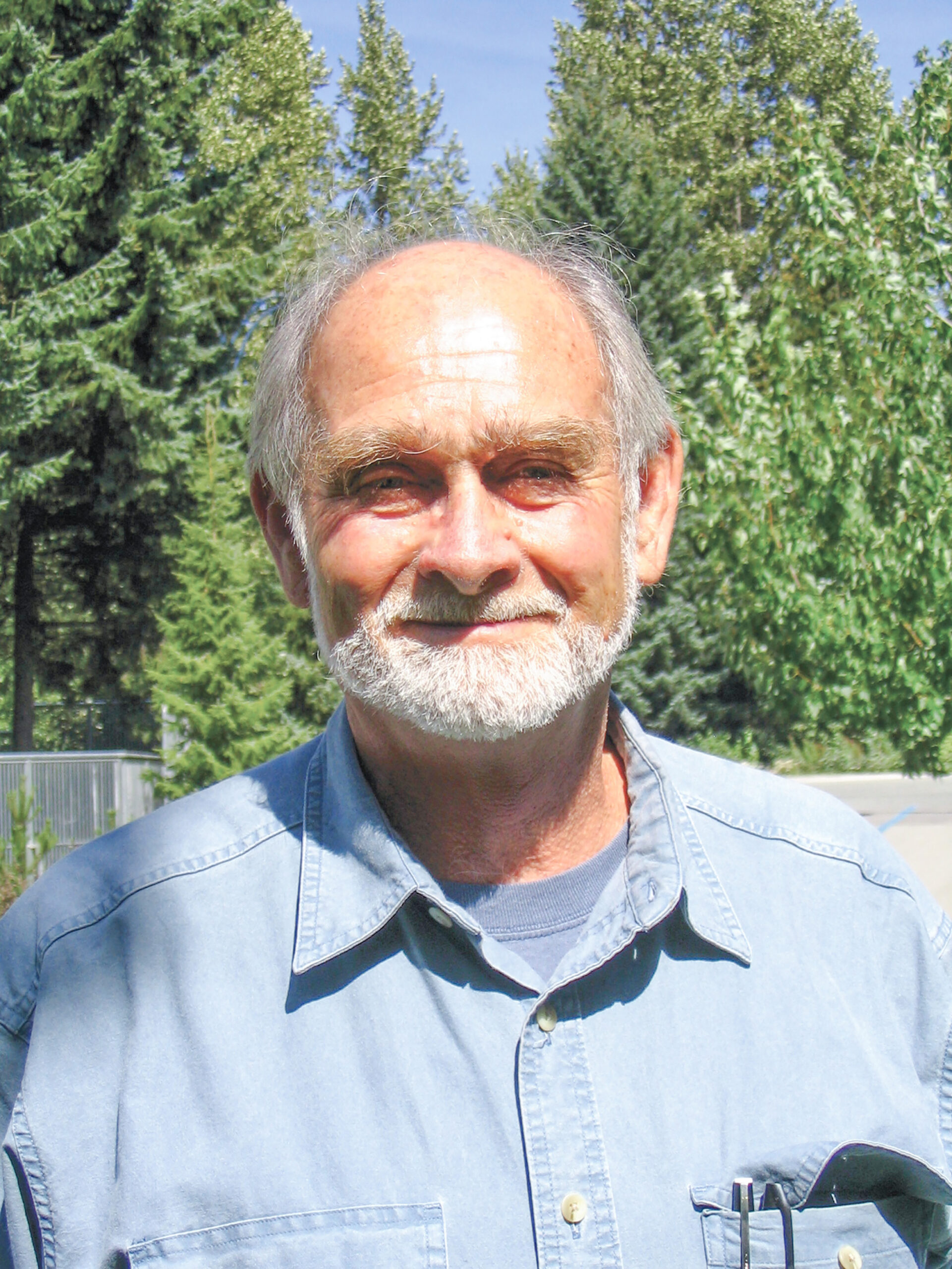
The council’s ideas for the town centre were envisioned and refined by Californian landscape architect Eldon Beck. Having just finished some design work for the village of Vail, CO, the council hired Eldon to help them with the plans for Whistler Village.
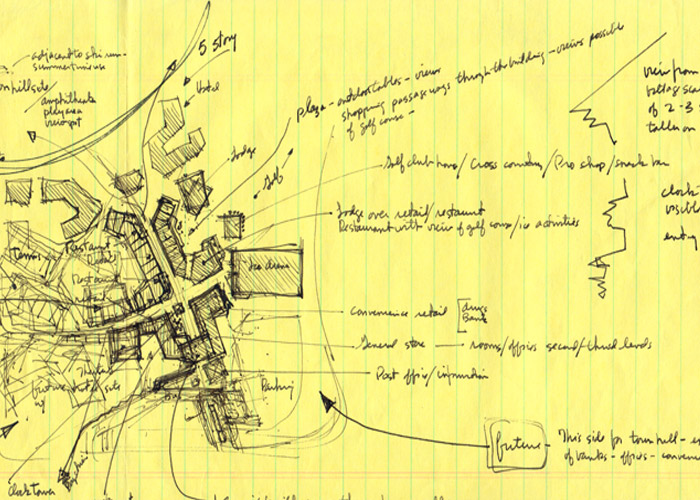
He arrived in Whistler for the first time in 1978 and, after climbing a few trees to check out the Village’s potential views, came up with the design for the Whistler Village that we know today. Over the years, as the Village grew, Eldon was brought back to Whistler to design Village North in the late 1980s and even to consult on Olympic Plaza following the 2010 Olympic & Paralympic Winter Games.
Read our dedicated post on Eldon Beck.
The Squatters: Whistler’s Wild Roots
Before Whistler became a municipality, there was already a community of full- and part-time residents in the valley. Not all of these residents had official addresses, with some living in small squatter cabins in the woods. These squatters and ski bums were integral members of the Whistler community.
Charlie Doyle
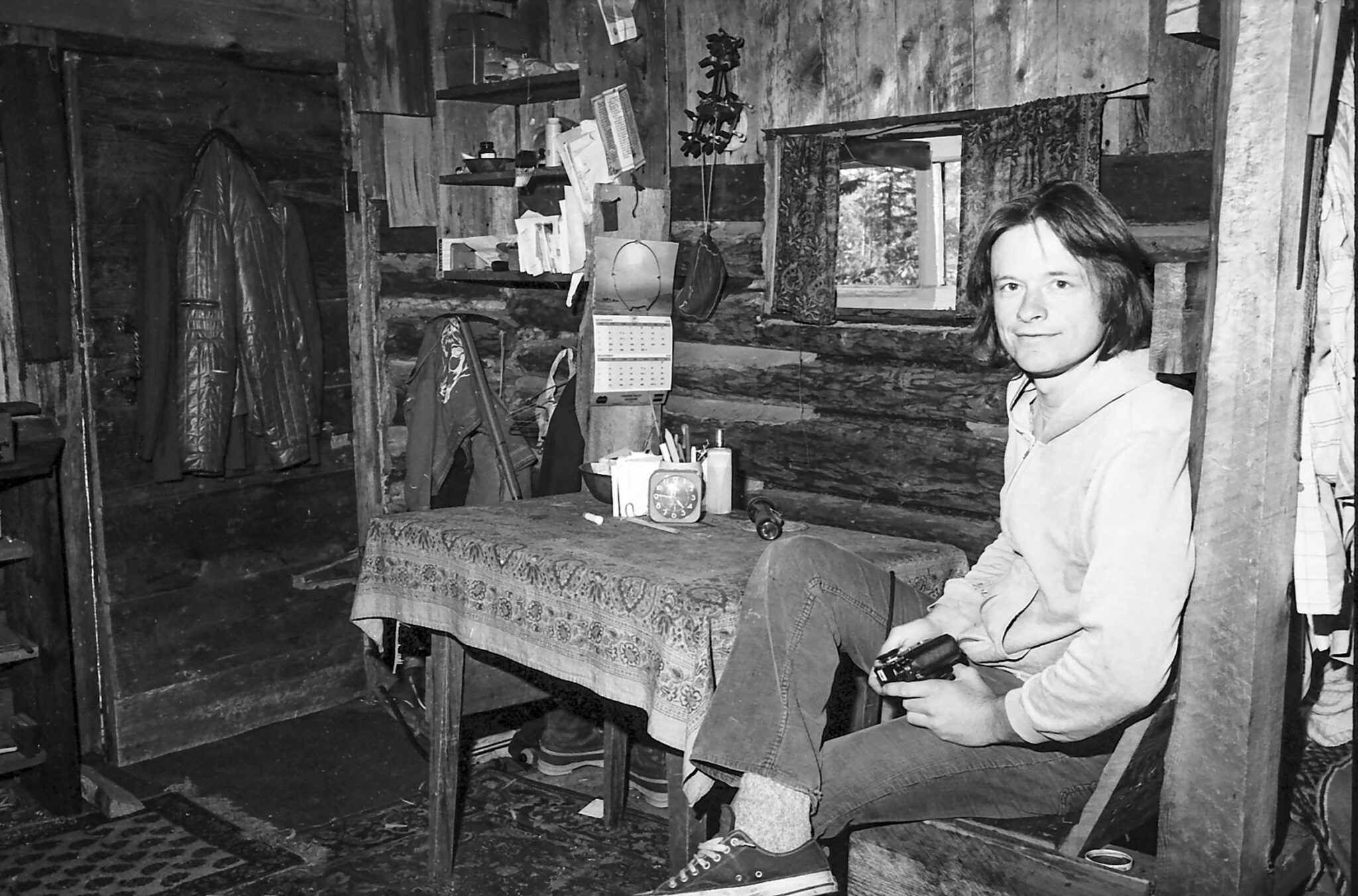
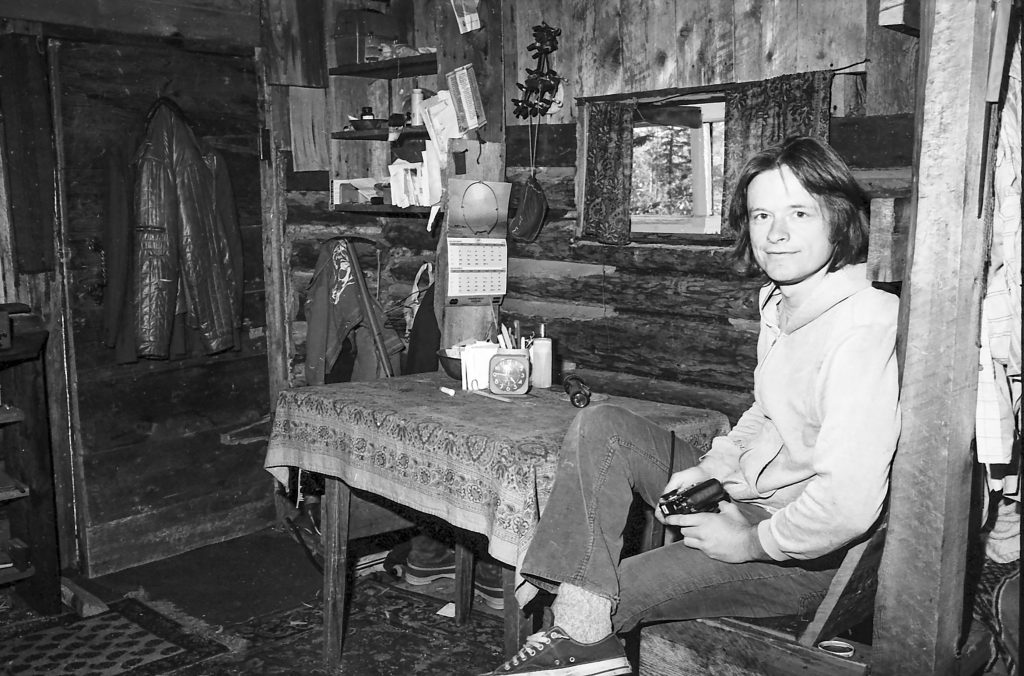
Charlie Doyle came to Whistler in 1972 for one day of skiing; by the end of the day, he had bought a second-hand season pass and found himself living in Whistler permanently before the end of the year. In 1977, Charlie, Robin Blechman and Tim Smith created the local alternative newspaper, the Whistler Answer, a satirical response to the Whistler Question newspaper founded by Paul Burrows in 1976. Early editions of the Answer were handwritten, hand-drawn, and hand-pasted and published from Charlie’s squat.
Beyond the Answer, Charlie also crafted some of the wooden shop signs you still see in the Village today and published one of the first mountain bike trail guides for Whistler, fitting for a founding member of the Whistler Off-Road Cycling Association (WORCA).
Read more about Charlie Doyle on the Whistler Museum’s blog.
Nancy Wilhelm-Morden
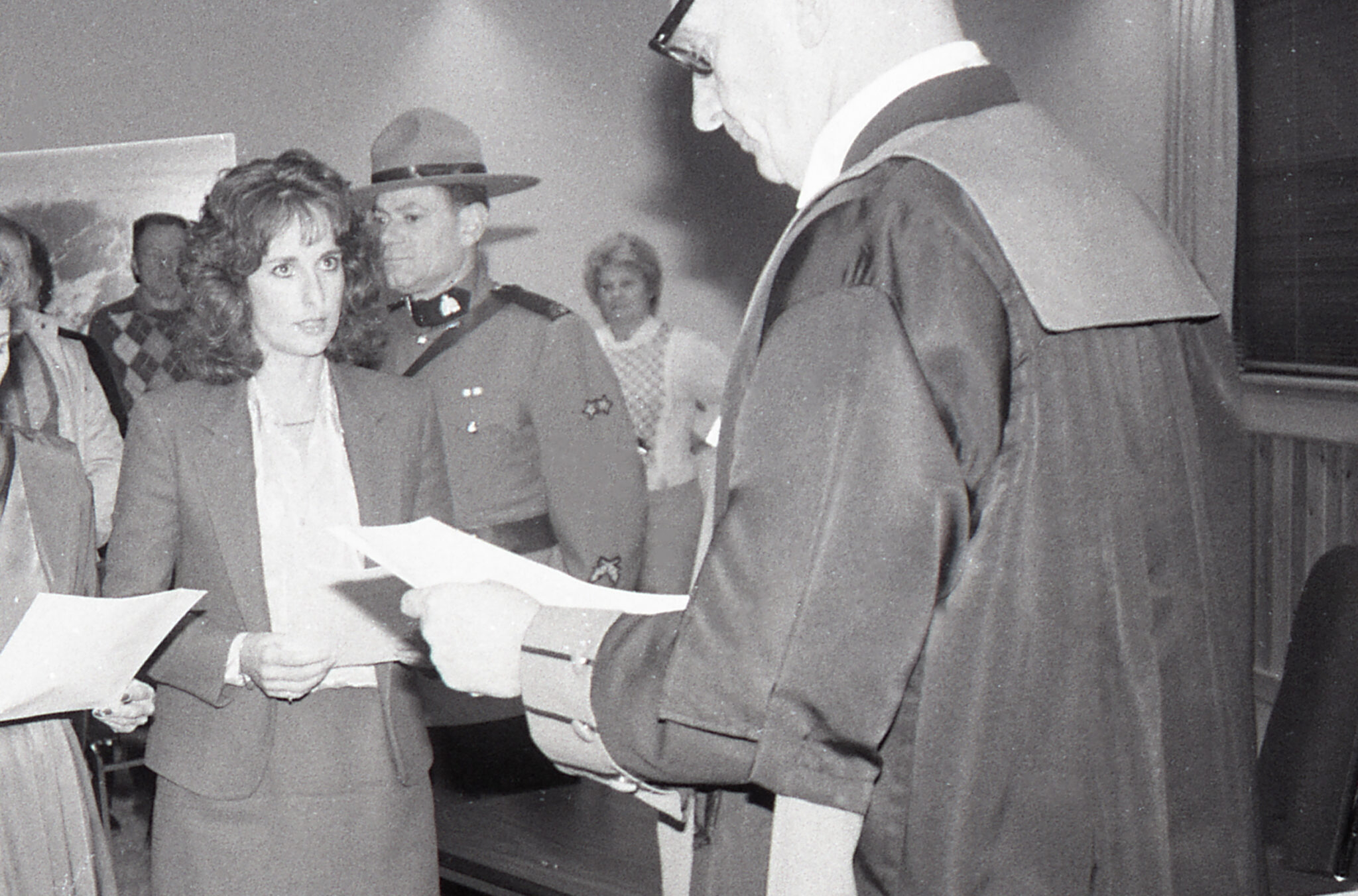
Nancy Wilhelm-Morden arrived in the Whistler area in the summer of 1973, planning to stay for two weeks. Instead, she and boyfriend Ted Morden both stayed for the ski season and soon returned permanently. Unable to find stable housing, Nancy and Ted built their own cabin along Crabapple Creek, joining Whistler’s squatter population. As well as working various jobs (including blasting work on road construction crews), Nancy completed university and attended law school.
In 1984, while still in law school, Nancy was elected to Whistler’s municipal council for the first time. During her time on the council, she worked on the successful preservation of the Emerald Forest as a recreation area where many bike trails are built today. From 1978 to 2018, Nancy served a total of seventeen years on council (making her one of the longest serving elected officials in the valley), the last seven as Whistler’s first (and so far only) female mayor.
Read more about the parks and Nancy Wilhelm-Morden on the Whistler Museum’s blog.
Parks & Recreation: Nature at the Core
Parks and trails are an integral part of Whistler today, but Whistler’s first municipal park could have been lost before Whistler even became a municipality if not for the foresight of Don MacLaurin.
Don MacLaurin
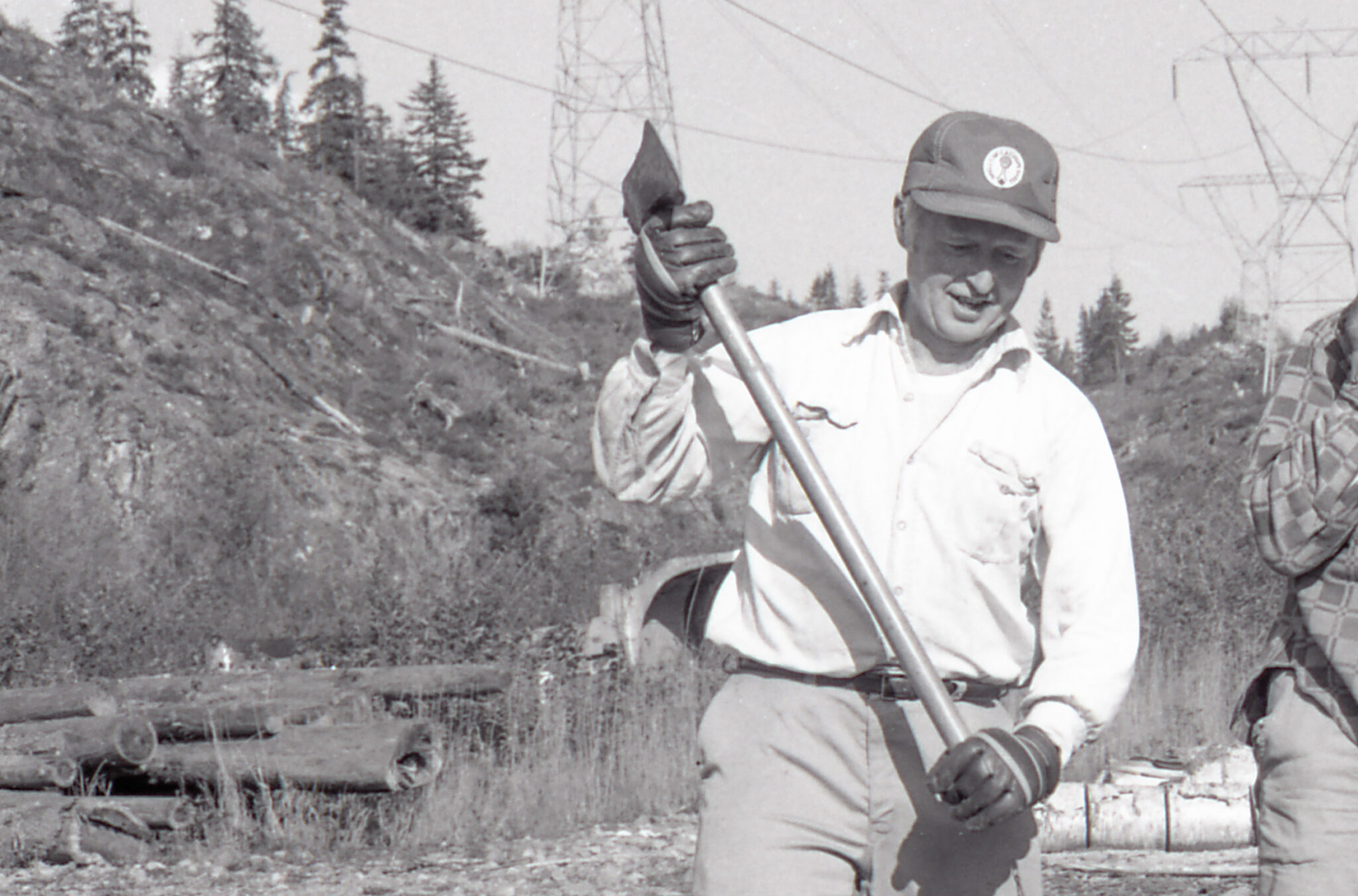
Don MacLaurin first came to the Whistler Valley in the 1950s while working for the BC Forest Service. Don, his wife Isobel, and their children built a cabin overlooking Alpha Lake in 1961 and became frequent visitors and then permanent residents of the valley.
In the 1960s, two timber licences around Lost Lake were set to expire, and there were developers waiting in the wings, preparing to apply for the waterfront property. Don saw what was happening and contacted his friend in the Provincial Parks Branch, who had the area assessed and set aside by the province as a potential Use, Recreation and Enjoyment of the Public site. Lost Lake Park was the first park to be opened by the new municipality, officially opening on September 11, 1982.
Read more about Don MacLaurin on the Whistler Museum’s blog.
Trevor Roote
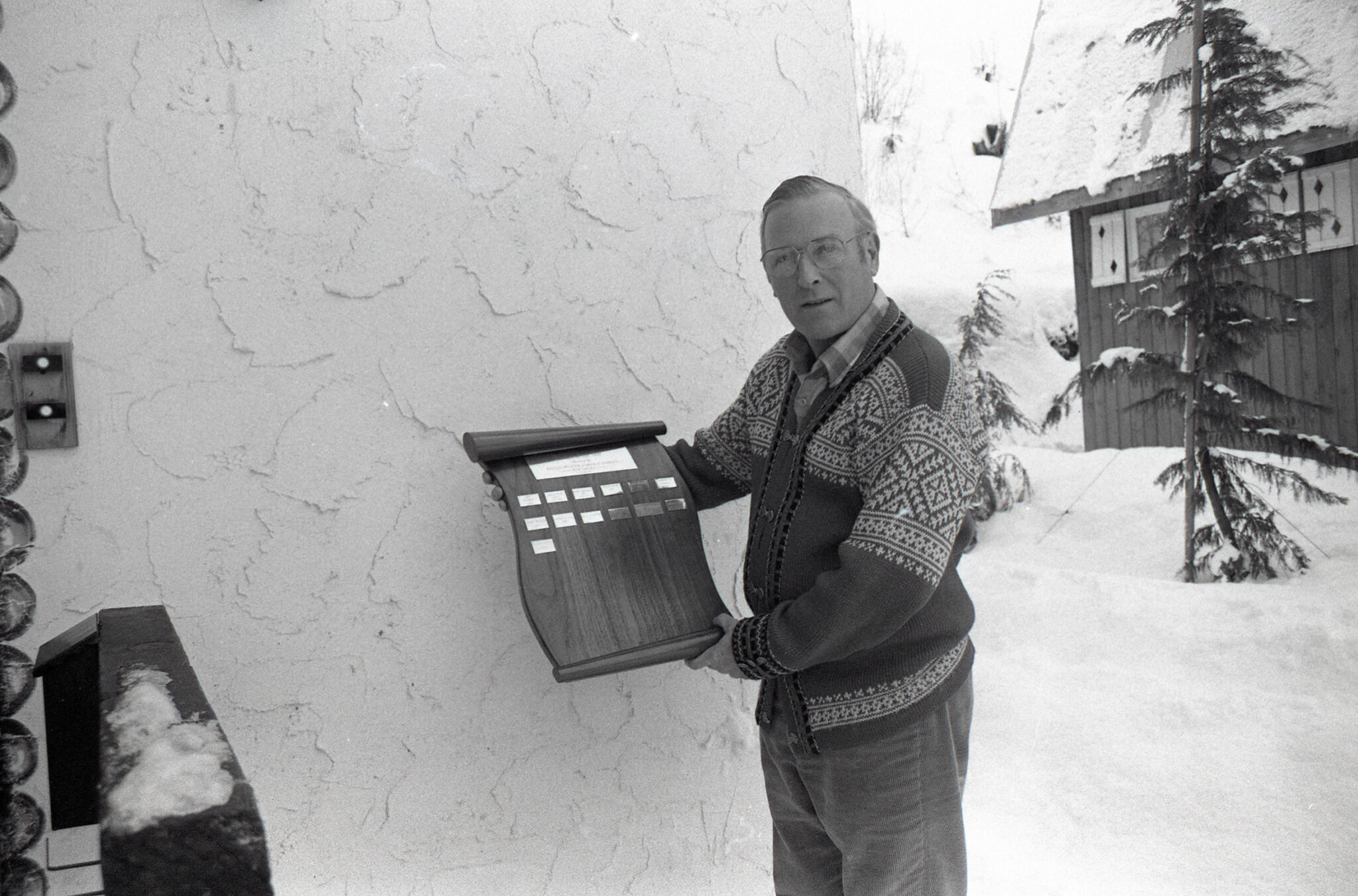
The early development of parks and other outdoor recreation infrastructure was led by the Advisory Parks and Recreation Commission (ARPC), which held public consultation meetings, passed funding referendums, and negotiated rights of way throughout the valley for Whistler’s Valley Trail.
As the ARPC’s volunteer chair, Trevor Roote dedicated countless hours to finding out what Whistler’s recreation needs were and then working to fulfill them. He was named Whistler’s Citizen of the Year in 1981 and in 1984 was awarded Whistler’s highest honour, the Freedom of the Municipality. Trevor is remembered today as the driving force behind Whistler’s Valley Trail, the popular multi-use trail system that runs throughout the valley and traces its origins back to 1976 when the municipality’s first Rec Report was put together.
Read more about Trevor Roote and the Valley Trail on the Whistler Museum’s blog.
Organizational Founders: Building Community from Within
Glenda Bartosh
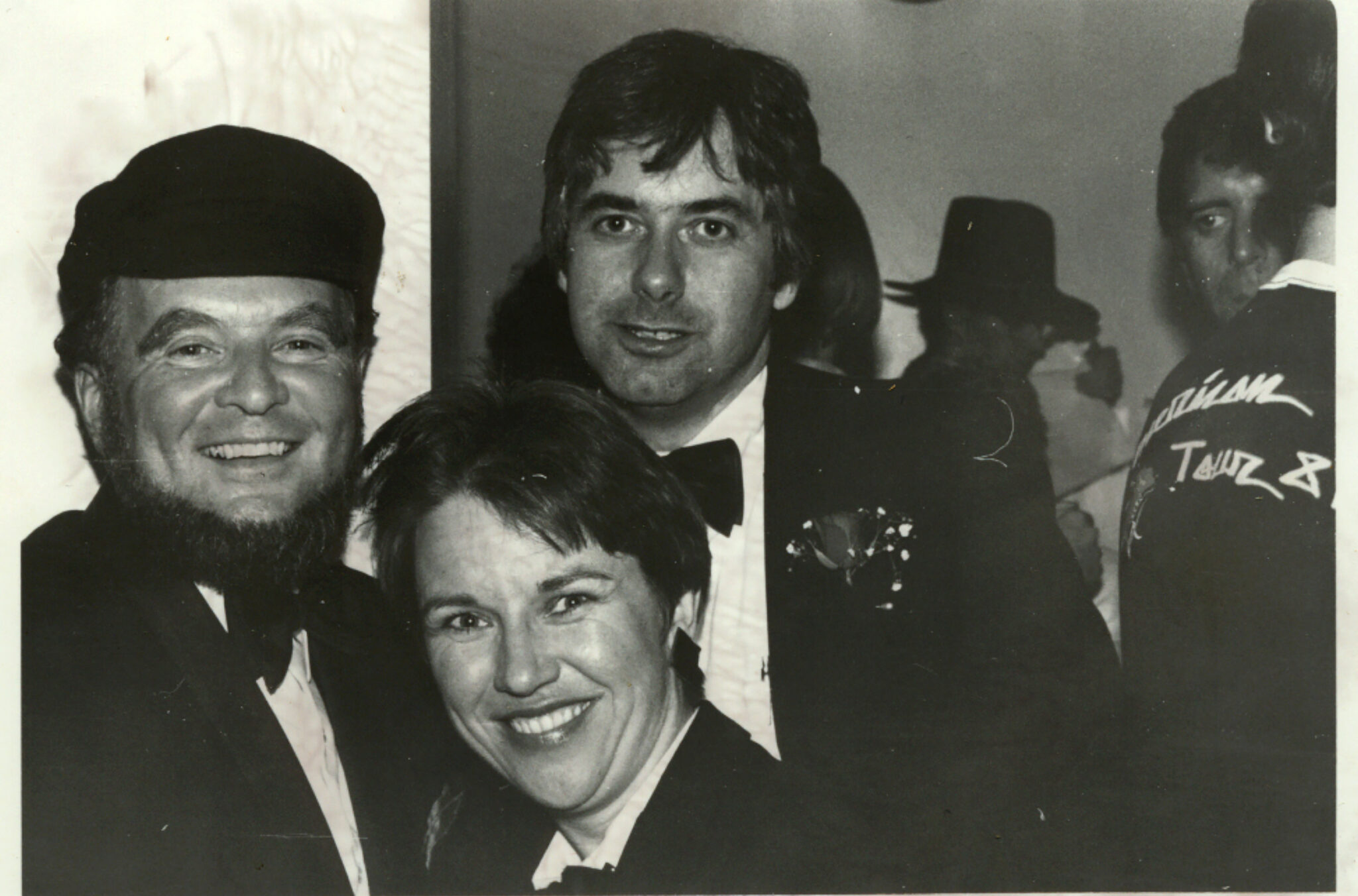
Unlike many people who come to ski or enjoy the outdoors, Glenda Bartosh moved to Whistler in 1981 to work. She was fresh out of journalism school and got a job as a reporter for the Whistler Question. One year later, she purchased the paper from founder Paul Burrows and became one of the youngest publishers in Canada. A firm supporter of the arts, Glenda helped found the Whistler Community Arts Council (now Arts Whistler) in 1982.
Read more about Whistler’s artistic origins on the Whistler Museum’s blog.
Joan Richoz
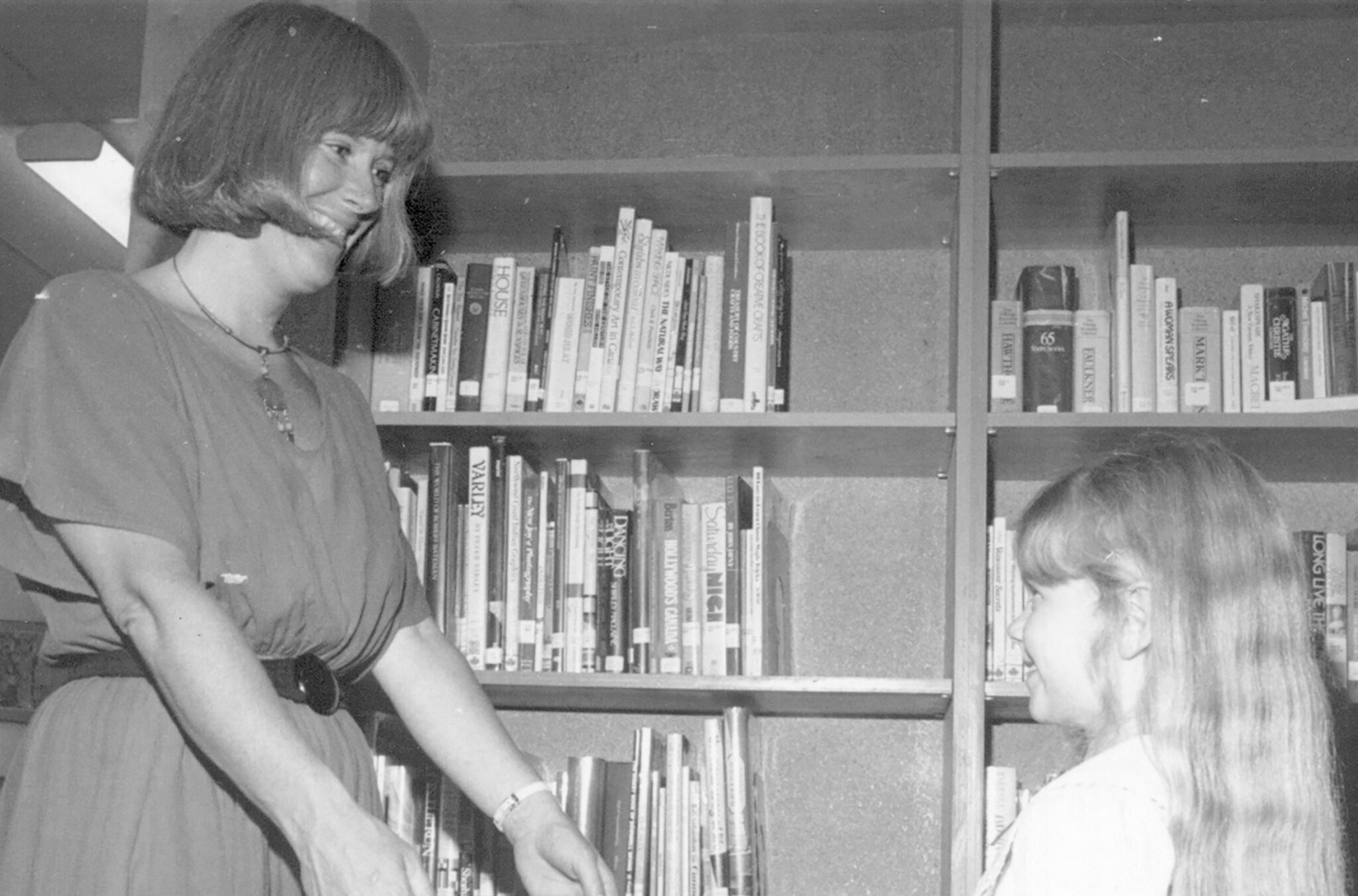
Joan Richoz began volunteering for both the Arts Council and the Myrtle Philip School library in 1983 and, when the Whistler Public Library Association was formed in 1985, got involved as a board member. Having completed the program to become a community librarian, Joan was the Whistler Public Library’s first (and only) employee when it opened in the basement of Municipal Hall in 1986. Joan continued to serve as library director until she retired in 2006, overseeing the library as it grew and moved.
Read more about Whistler’s libraries and Joan Richoz on the Whistler Museum blog.
Florence Petersen
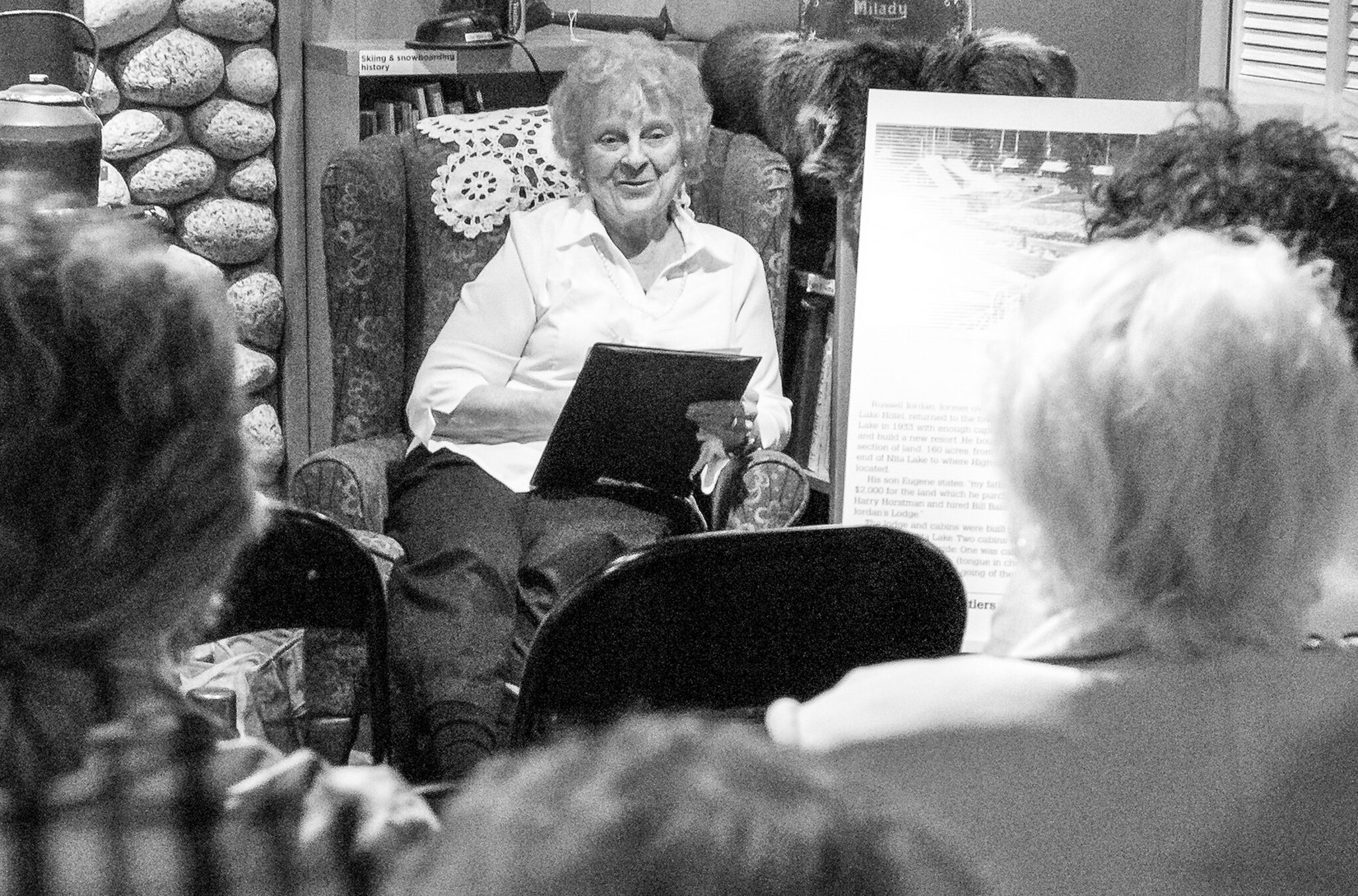
Florence Petersen first came to the Whistler area in the summer of 1955. She and four fellow teachers purchased Witsend, a cabin on Alta Lake, in 1956 and became regular visitors and summer residents. Florence and her husband Andy moved to Whistler full-time after retiring from teaching in 1983.
As Whistler developed into a winter resort, Florence promised long-time Alta Lake residents Myrtle Philip and Dick Fairhurst that she would ensure the stories of Alta Lake would be preserved. Florence helped found the Whistler Museum & Archives Society in 1987 and opened the first Museum (a small room with a couple of shelves in the back of the Library). Both Florence and Joan were awarded the Freedom of the Municipality in 2012.
Read more about Florence Petersen on the Whistler Museum blog.
Documenting Whistler: Framing the Story
One way that the people, places, and events of Whistler’s past 50 years have been documented is through photography, and the Whistler Museum is incredibly fortunate to have received more than 300,000 photographs from various photographers over the past four decades.
Many fantastic (and prolific) photographers have called Whistler home, and the Museum is honoured to have recently received a large collection of photographs taken by award-winning photojournalist Bonny Makarewicz.
Bonny Makarewicz
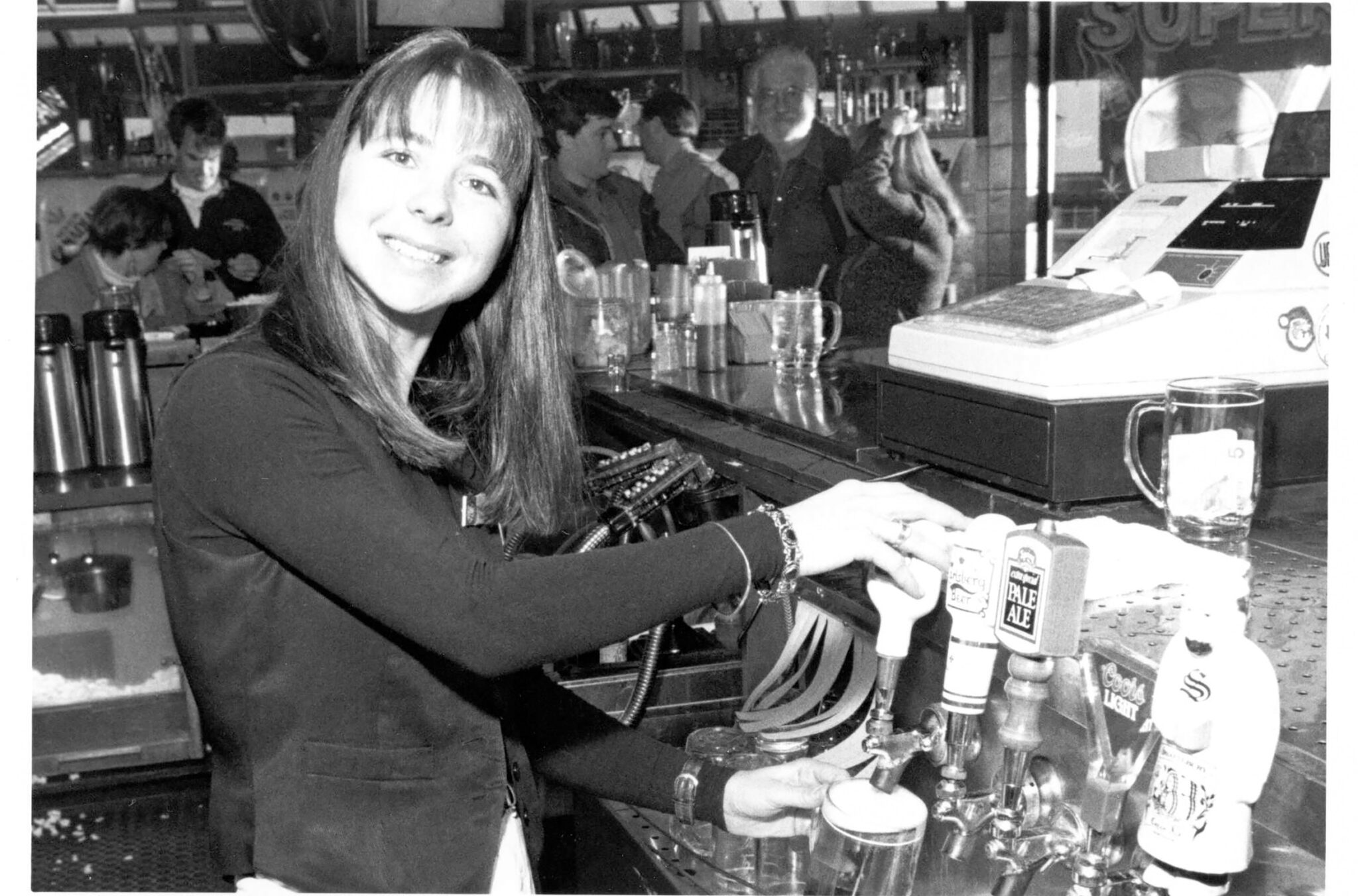
Bonny moved to Whistler in 1991 and soon became the photographer for The Whistler Question. From World Cup races to school fundraisers to natural disasters, if something was happening in Whistler, Bonny was there, capturing every aspect of community and resort life.
According to fellow photographers, she had an impressive ability to capture ski racing, and Bonny was picked as the only female on the 200-person European Pressphoto Association crew during the 2010 Games.
Read more about Bonny Makarewicz on the Whistler Museum blog.
Visit the Whistler Museum
Whistler would not be the resort that it is today without the contributions of these and many more people who have helped shape not just the resort but also the community that supports it.
View this post on Instagram
If you’re interested in learning more about how and why Whistler became a resort municipality in 1975, be sure to visit the Whistler Museum’s current exhibit, The RMOW Act: A Blueprint for Resort Communities, on display at the Whistler Museum through November 23, 2025.
For more on Whistler’s history, check out our posts 10 Trailblazing Innovations that Shaped Whistler (and the World), Thunderbird Legend and the Story of Spo7ez Territory and The Art of Whistler.