Editor’s Note: This post on winter mountain and backcountry safety was originally written in 2025, but has been updated with new statistics and learning opportunities.
British Columbia is served by 78 Search and Rescue (SAR) teams comprising over 3,200 volunteers. In 2024, these teams responded to approximately 1,960 incidents, rescuing more than 2,100 individuals and saving over 1,000 lives.
The BC Search and Rescue Association (BCSARA) notes that the overall trend indicates increasing call volumes, with projections suggesting a return to pandemic-level numbers (2,024 SAR incidents in 2021) by 2026 and a potential doubling to 3,000 incidents per year by 2046.
This underscores the importance of programs like BC AdventureSmart, which promote backcountry safety and preparedness for outdoor adventures.
Whistler Search and Rescue (WSAR) responded to 81 tasks in 2024, with 79 of them being local responses (two were mutual aid, helping other SAR groups on a task).
The primary reasons for wintertime rescue tasks in British Columbia remain consistent: individuals becoming lost or disoriented, sustaining injuries, or engaging in activities beyond their skill levels. This trend highlights the critical need for proper preparation and awareness when venturing outdoors and into the backcountry.
We rarely head out for an outdoor adventure with the expectation that something will go wrong, and thankfully, most times it doesn’t. However, that one time the unexpected happens, your investment in trip safety could mean the difference between a successful outcome and becoming a statistic.
View this post on Instagram
The Three Ts
This winter, when you’re planning your outdoor excursions, remember the Three Ts;
- Trip Planning
- Training
- Taking the Essentials
Applying these safety tips can help lessen your risk and ensure your outdoor adventures in BC are safe and responsible.
1. Trip Planning
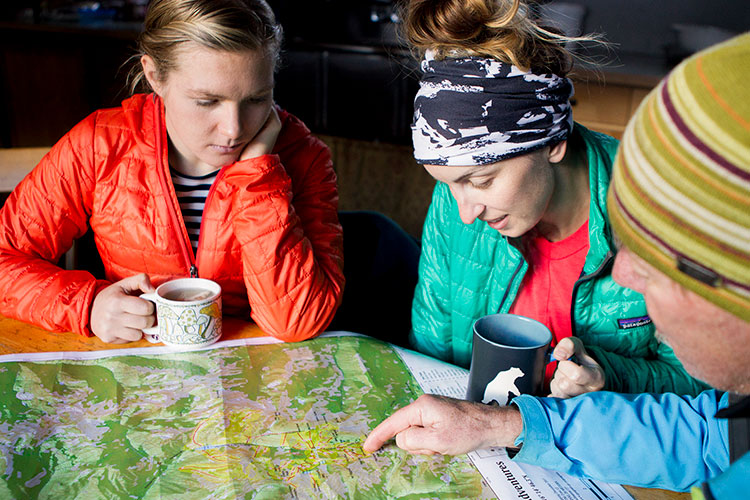
To increase your chances of having an enjoyable and safe outdoor adventure, trip planning is essential. This will ensure you know exactly where you’re going, what the conditions and terrain are like, and the weather you can expect on the day. It will also allow authorities to quickly find you if anything goes wrong.
When you’re trip planning, always do the following:
- Plan your travel route
- Know the terrain and conditions
- Check the weather
- Fill out a trip plan
Though it is beautiful, the Whistler backcountry is remote and can be unpredictable. Severe weather and avalanches are two of its primary hazards, so for any backcountry travel, you and everyone in your group must be self-sufficient. If you’re travelling in avalanche terrain, ensure that everyone in your group also has proper avalanche training. No matter which backcountry sport you choose – alpine skiing and snowboarding, cross-country skiing, snowshoeing, backcountry touring or snowmobiling – always be thoroughly prepared before you head out.
Ensure that you:
- Understand and recognize weather patterns
- Can read alpine terrain
- Know the avalanche dangers
- Carry and practice with an avalanche transceiver, probe and shovel
- Check conditions before heading out
Ultimately, sound judgment and knowing when to turn around and save it for another day are your most important backcountry survival skills.
LEARN MORE ABOUT TRIP PLANNING
INSIDER TIP: Download the AdventureSmart Trip Plan app so that you can easily create trip plans and send them to your family and friends.
2. Training
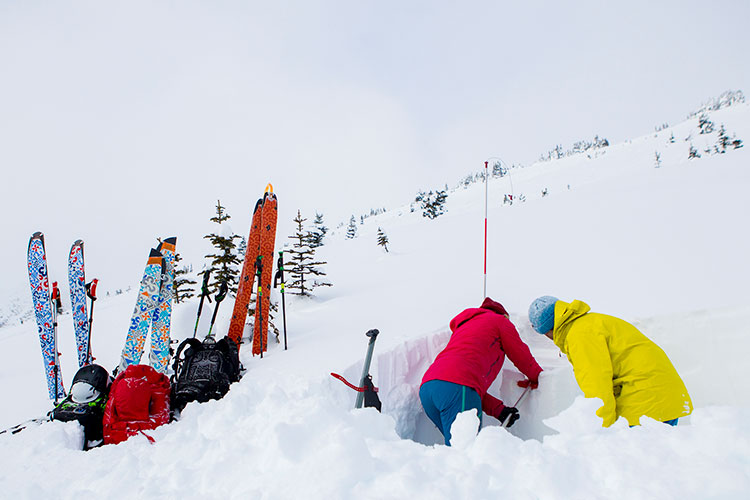
Preparing for winter outdoor recreation in Whistler involves assessing your current knowledge, skills and ability, and understanding your limits.
When planning your outdoor excursion, always do the following:
- Obtain the knowledge and skills you need before heading out
- Know and stay within your limits
For example, if you’re new to snowshoeing, begin on one of the easily accessible Whistler snowshoe trails at Lost Lake Park and/or consider taking a guided tour to learn from the experts. Build up your endurance on short trails before attempting longer trails or terrain that’s more challenging.
Get Backcountry Ready
If you want to venture beyond the ski resorts into provincial park trails or to backcountry destinations, get informed with BC AdventureSmart in one of their outdoor safety webinars. Also, tune in to Good Chat, BC AdventureSmarts podcast, where they dive into real conversations about outdoor safety in British Columbia. From stories of survival and rescue to expert tips for preparing for your next adventure, each episode brings you insights that matter.
View this post on Instagram
You should familiarize yourself with Avalanche Canada’s avalanche safety tips or take an Avalanche Skills Training Course (AST) to be aware of the risks, know how to stay safe, and learn how to act in the event of an avalanche.
3. Taking the Essentials
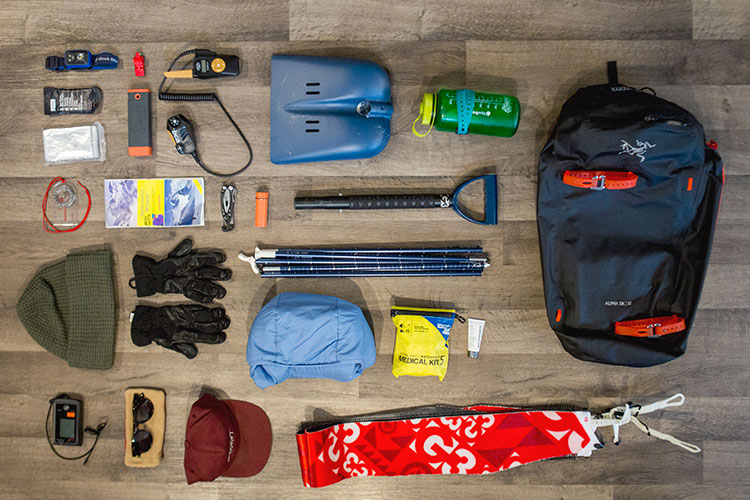
No matter how well you know the terrain or how experienced you are in an activity, always carry the essentials and know how to use them. These are basic survival items you should have in any outdoor situation.
The essentials are:
- Flashlight/headlamp
- Fire-making kit
- Signalling device (i.e. a whistle)
- Extra food and water
- Extra clothing
- Navigational/communication devices
- First aid kit
- Emergency blanket/shelter
- Pocket knife
- Sun protection
- Seasonal and sport-specific gear (i.e. avalanche transceiver, shovel, probe)
LEARN MORE ABOUT THE ESSENTIALS
Pack Like a Pro
Get ready to unleash your inner adventurer with BC AdventureSmart’s “Pack Like a Pro – Essentials for Outdoor Adventures!” videos. They feature 10 short, entertaining animated videos that highlight essential survival items you need for any outdoor excursion. From first-aid kits to navigation tools, these fun animations not only educate but also empower you to explore the great outdoors confidently and prepared.
CHECK OUT THE PACK LIKE A PRO SERIES RIGHT HERE!
INSIDER TIP: Whistler’s outdoor retailers, like Mt Waddington Outdoors and evo Backcountry, know exactly what you need, so if you’re in town and need advice, go and speak with them to pick up anything you’re missing.
What to Do in a Backcountry Safety Emergency
S.T.O.P. – Stop, Think, Observe, Plan, Then ACT!
The acronym STOP (stop, think, observe, plan and then act) highlights the importance of a survival attitude that involves carefully planned actions rather than irrational behaviour based on fear.
Stay where you are. It is very important to recognize that your body only has so much stored energy and that it is essential to spend that energy efficiently.
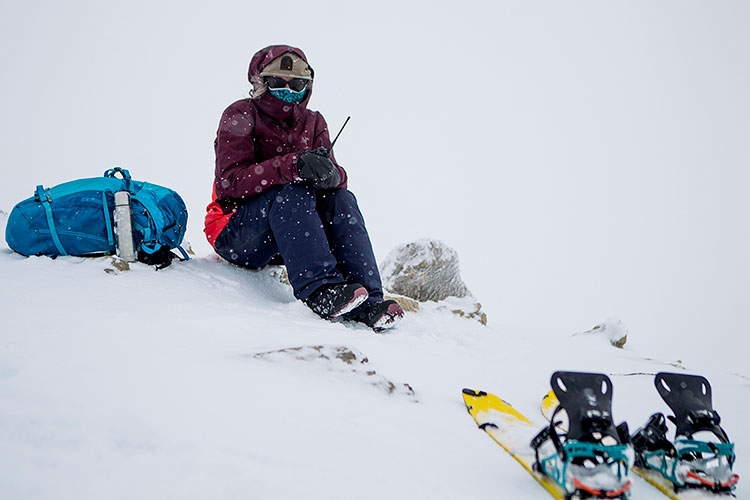
People who carry on after they become lost usually get farther from the trail and from the people who are looking for them. Going downhill often leads to natural drainage gullies, which typically have very thick bushes, expansive cliffs and waterfalls, making travel and searching more difficult.
Staying put is one of the best things you can do for your backcountry safety, as it reduces the potential search area for SAR because you will have left a trip plan with a friend, and they will know where to start looking.
LEARN MORE ABOUT THE S.T.O.P. ANALOGY
Who and When Should You Call in an Emergency?
If you need help in the mountains and have cell reception, your FIRST ACTION should be to call 911 – let authorities know you’re in need of rescue. The 911 operator will dispatch Whistler RCMP, and the RCMP will request Whistler Search and Rescue.
When your phone makes an emergency 911 call, it will connect with any cell tower in range, even if it is not from your network provider. Therefore, a 911 call may go through even if you are not otherwise able to get cell reception where you are. If you are familiar with your smartphone’s capabilities, you may know how to obtain its GPS reading.
On iPhones, for example, the GPS coordinates are displayed in the compass app if your location services are turned on. During the 911 call, you can relay these coordinates to the operator, who will then pass that information on to search crews.
No Charge for Rescue
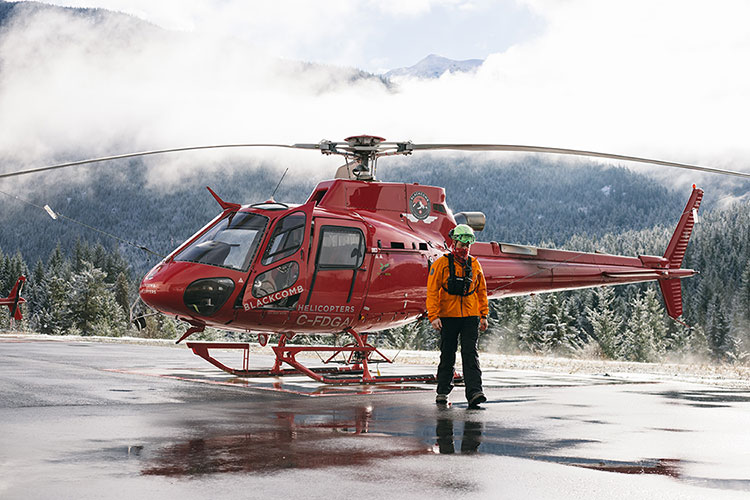
There is no charge for Search and Rescue coming to someone’s aid. Backcountry safety is more important than invoices or costs.
The British Columbia Search and Rescue Association (BCSARA) knows that the belief that a lost or injured person, or their loved ones, will be charged for a search and rescue response could directly affect the decision to call for professional help. It is the BC Search and Rescue Association’s position that any delay in the deployment of Search and Rescue (SAR) services can negatively impact the outcome of a SAR mission, and that’s why it’s free of charge.
For the nearly 3,400 volunteers that belong to the 78 registered search and rescue teams in the Province of British Columbia, the moral obligation of helping those in need will always take precedence over political, legal, economic and jurisdictional issues.
The BCSARA will conduct search and rescue missions when requested to do so by the authorized requesting agencies for persons in danger or distress in the province of BC without charge. BC SAR will do so regardless of the reason subjects have found themselves requiring SAR assistance.
LEARN MORE ABOUT NO CHARGE FOR RESCUE
INSIDER TIP: Our Insiders have written extensively about backcountry safety training, courses and experiences; take a read in Tips for Playing Safe in Whistler’s Backcountry.
This backcountry safety post was written by the team at BC AdventureSmart, an organization helping to enhance awareness among enthusiasts to reduce the impacts on search and rescue while contributing to the safety culture in British Columbia. Find more outdoor winter safety tips at AdventureSmart.ca and on their social media channels: Instagram, Facebook and Twitter.